
Foraging the Oregon Coast from Lincoln City: Mushrooms, Berries, Shellfish, and Seaweed
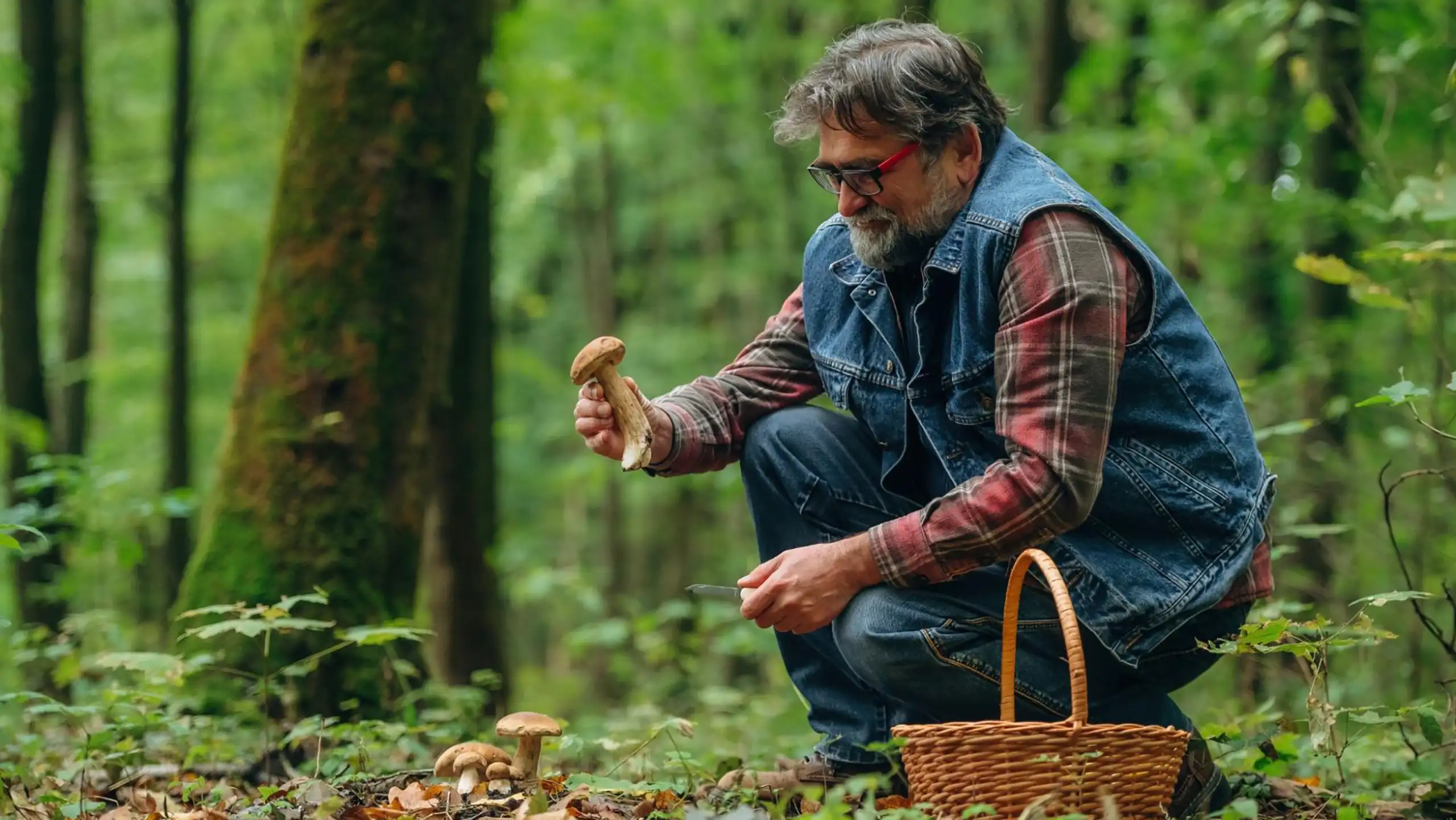
After several days of rain, the coastal forest seems to rearrange itself. Orange caps stand out against dark duff. Pale mushrooms push through moss. Fallen logs become miniature landscapes filled with shelves, cups, ridges, and unexpected color.
An afternoon hike can quickly become a search for details that were invisible a moment earlier. That is part of the excitement of foraging. One coastal trip may begin with chanterelles beneath the trees and lead to salmonberries, mussels, seaweed, or clams as the landscape opens toward the water.
The best first outing may produce a camera roll full of discoveries, a few new names, and plenty of questions for the next trip. With coastal forest, Siletz Bay, and Oregon’s public shoreline all within reach, Lincoln City becomes an outdoor classroom. The Inn At Spanish Head provides a natural base for exploring it.
Seven miles of shoreline.
What You Might Discover Around Lincoln City
Before learning identification terms or checking harvest rules, meet some of the characters that make coastal foraging so captivating.
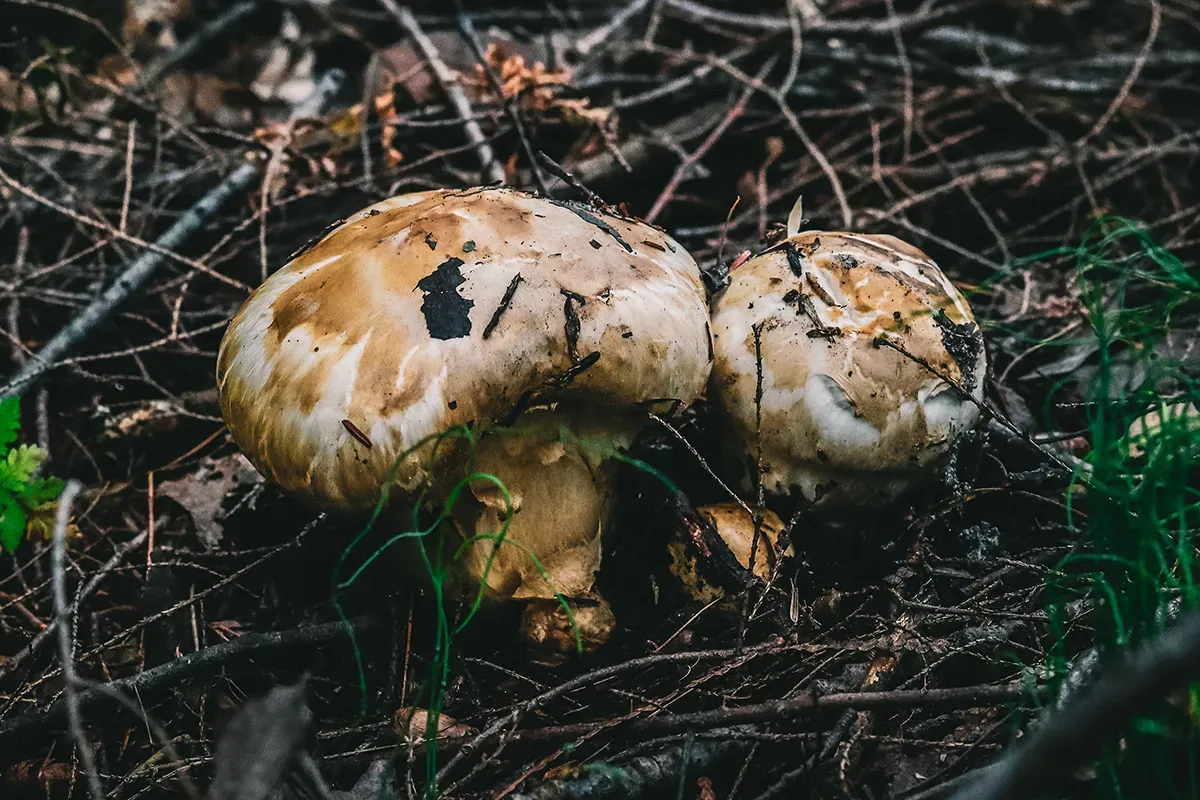
In the forest, a flash of gold may turn out to be a Pacific golden chanterelle, Oregon’s state mushroom. Cream-colored white chanterelles can blend into pale leaf litter, while lobster mushrooms seem almost painted orange-red. Other caps may hide the pores of a bolete or the tiny hanging teeth of a hedgehog mushroom. Western matsutake add mystery for advanced students because identification requires close attention to scent, structure, habitat, and dangerous lookalikes.
Along sunny edges and moist woodland, berry season brings another palette. Salmonberries can glow yellow, orange, or red. Native trailing blackberries grow close to the ground, while the more familiar Himalayan and evergreen blackberries form arching, thorny canes and ripen later in summer.
Then low tide reveals another world. Mussels cluster on wave-washed rock. Purple varnish and softshell clams live beneath parts of Siletz Bay. Seaweeds spread into ribbons, fans, and branching forms.
Think of this as a seasonal field menu for the eyes: species to notice, photograph, compare, and ask about. It is not a promise that every organism will appear on every trip, or that finding one means it may be gathered. The thrill begins with recognition.
Mushrooms
Berries
Shellfish
Seaweed
Foraging Begins With Learning the Landscape
Observe
Study
Gather
one job per tool.
Build Your Oregon Coast Field Toolkit
No single app can tell you what you found, whether you may collect it, and whether it is safe to eat. A more useful approach is to give each resource one job.

what structures am I looking at?
MycoMatch



what do others think this is?
iNaturalist
does this plant grow here?
OregonFlora

when is low tide, and is it safe?
NOAA Tides and Currents & the National Weather Service

is it legal, and is it open today?
ODFW & the Oregon Department of Agriculture

whose land am I standing on?
Official Siuslaw Maps
Start by recording what you see. Then compare resources, ask knowledgeable people, and check the rules for the exact location before gathering anything.
Take Learning Offline
A regional field guide can reveal details a camera suggestion misses. Useful companions include Mushrooms of the Pacific Northwest, Revised Edition by Steve Trudell, Plants of the Pacific Northwest Coast by Jim Pojar and Andy MacKinnon, and Pacific Seaweeds by Bridgette Clarkston and Louis Druehl. Oregon Sea Grant’s free Exploring Our Coast and ODFW’s clam guides add Oregon-specific marine context.
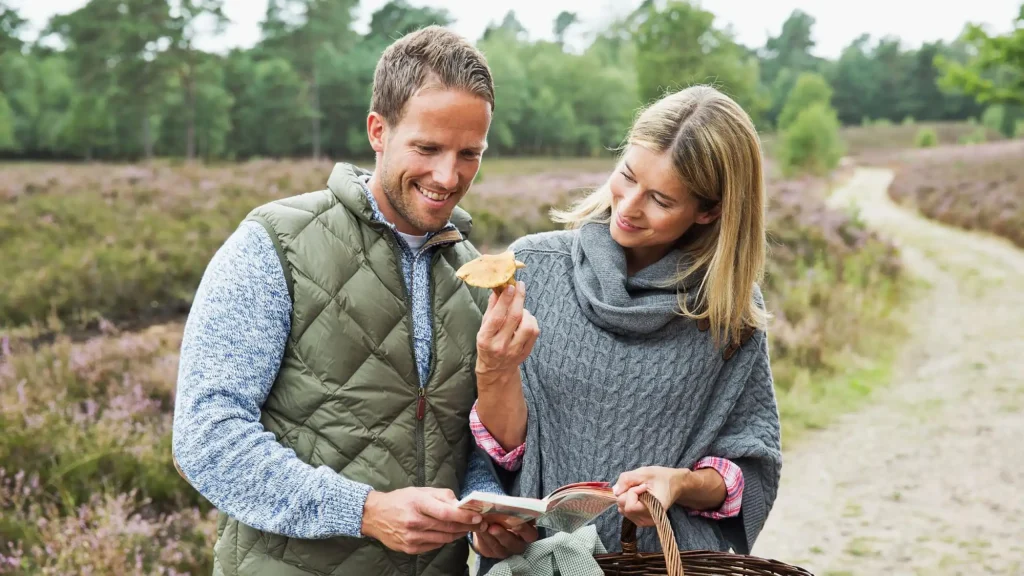
bring a camera, not a basket.
Make the Coast Your Outdoor Classroom
Photograph Mushrooms Like a Naturalist
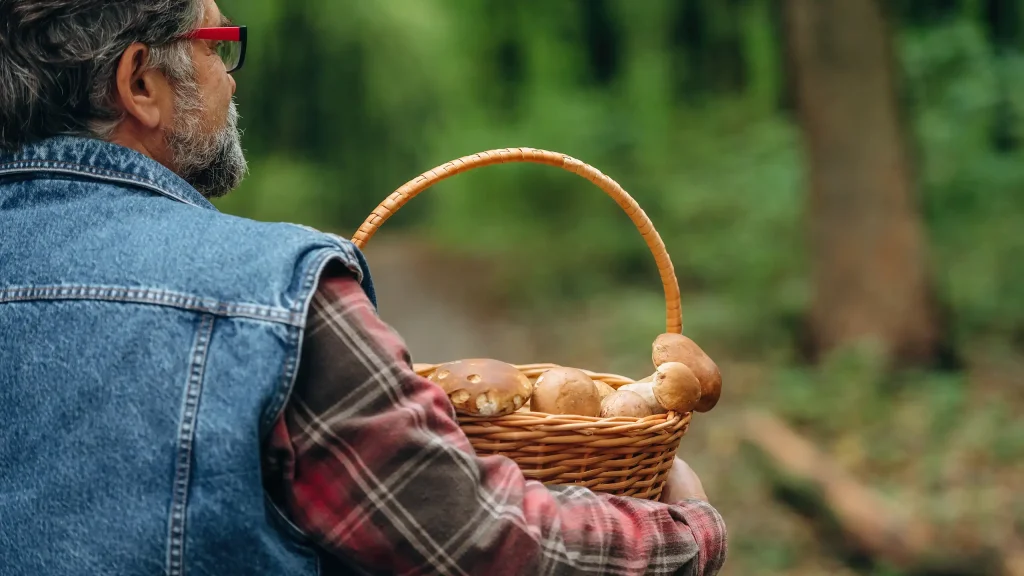
Instead of naming every mushroom on a trail, carefully document one or two. Begin with the habitat. Is the mushroom growing from soil, buried wood, a stump, or a living tree? Which trees and plants are nearby?
Then create a simple visual record:
If collection is legal and appropriate, an expert may request a lengthwise cut or spore print. Continue the fun afterward by building a photo journal. Compare what appears after the first autumn rain, during a warm spell, or several weeks later. Your photographs will gradually reveal patterns no single identification card can show.
1
2
3
4
5
6
Use Apps to Investigate and Ask Better Questions
Mushroom apps make a forest walk more interactive, but different tools reward different kinds of attention. MycoMatch is the strongest regional learning tool. Its Pacific Northwest database and flexible key ask users to compare structures, habitat, and other characteristics. Free mobile versions are available for iPhone and Android, and the reference works offline.
iNaturalist is especially useful as a field journal. One observation can include several photographs, a date, location, and notes. Other users may then suggest or refine an identification. Seek offers a faster, game-like introduction for beginners and families without publishing each observation to the iNaturalist community.
Photo-recognition apps such as Picture Mushroom can provide a quick candidate name. That can be fun, but it is only a starting point. In one peer-reviewed test, the best-performing photo app correctly identified 49% of specimens and 44% of poisonous mushrooms.
MycoMatch
iNaturalist
shroomid
Use apps to investigate a mushroom, not to prove that it is safe to eat.
Learn With People Who Know the Coast
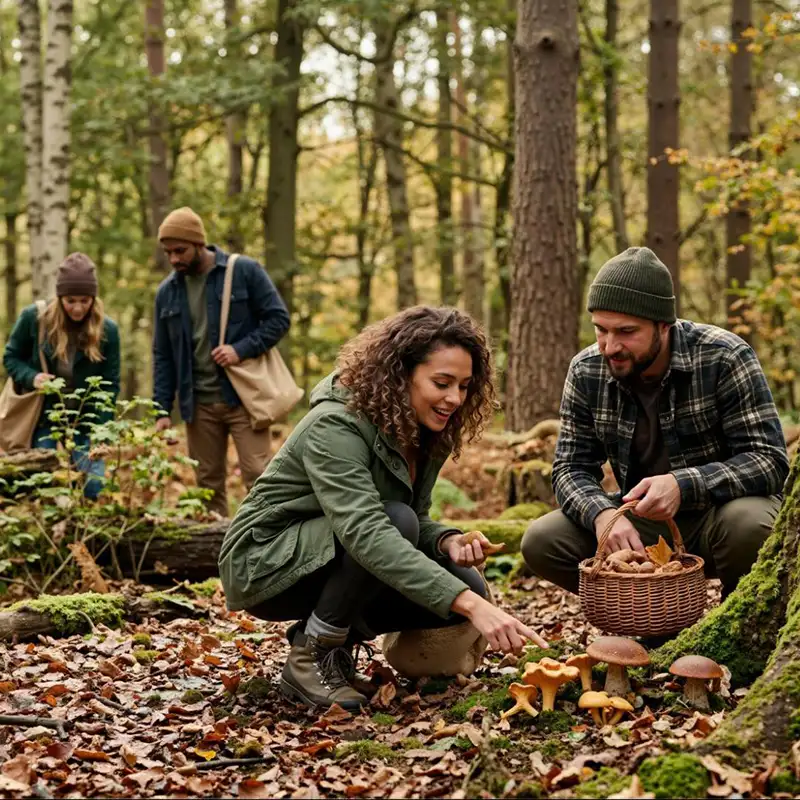
An experienced person can bring disconnected field marks together while beginners see several species in their actual habitats and ask questions in real time.
The Lincoln County Mycological Society is the most locally relevant organization for a Lincoln City-based visitor. Its central Oregon Coast activities include educational programs, community events, and field outings.
The Oregon Mycological Society offers meetings, identification sessions, classes, field trips, mushroom camps, and a public fall show in Portland, OR. It also shares updates about tools such as MycoMatch.
A class, society event, or responsibly operated guided outing can be the highlight of a coastal trip. It turns identification into a shared experience filled with stories, comparisons, and the pleasure of finally understanding what you are seeing.
your weekend assignment.
Try a Lincoln City Foraging Field Challenge
A little structure can turn a weekend into a memorable learning project, even when specimens remain unnamed.
Start with a forest photo hunt. Look without collecting for a mushroom with ridges, one with true gills, a pore-bearing mushroom, a fungus growing from wood, and a specimen showing natural bruising or color change. Photograph several angles and record the surrounding trees and substrate.
Compare your tools later. Back at The Inn At Spanish Head, study one well-documented mushroom with MycoMatch and iNaturalist. Note where the tools agree, where they differ, and which missing characteristic prevents a confident answer. Add a regional field guide or society resource as a third perspective.
Add a low-tide challenge. Photograph mussels attached to rock, seaweed anchored by a holdfast, and an animal in a pool that stays submerged longer. Record the tide level and time.
Finish with three questions. What did you notice that you would have walked past before? Which organism do you want an expert to explain? What would you look for on a return trip in another season?
Lincoln City Foraging Field Challenge
Forest Photo Hunt
Compare Your Tools
Low-Tide Challenge
Three Questions
ridges, gills, pores, and teeth.
Meet Some of the Coast's Most Interesting Mushrooms
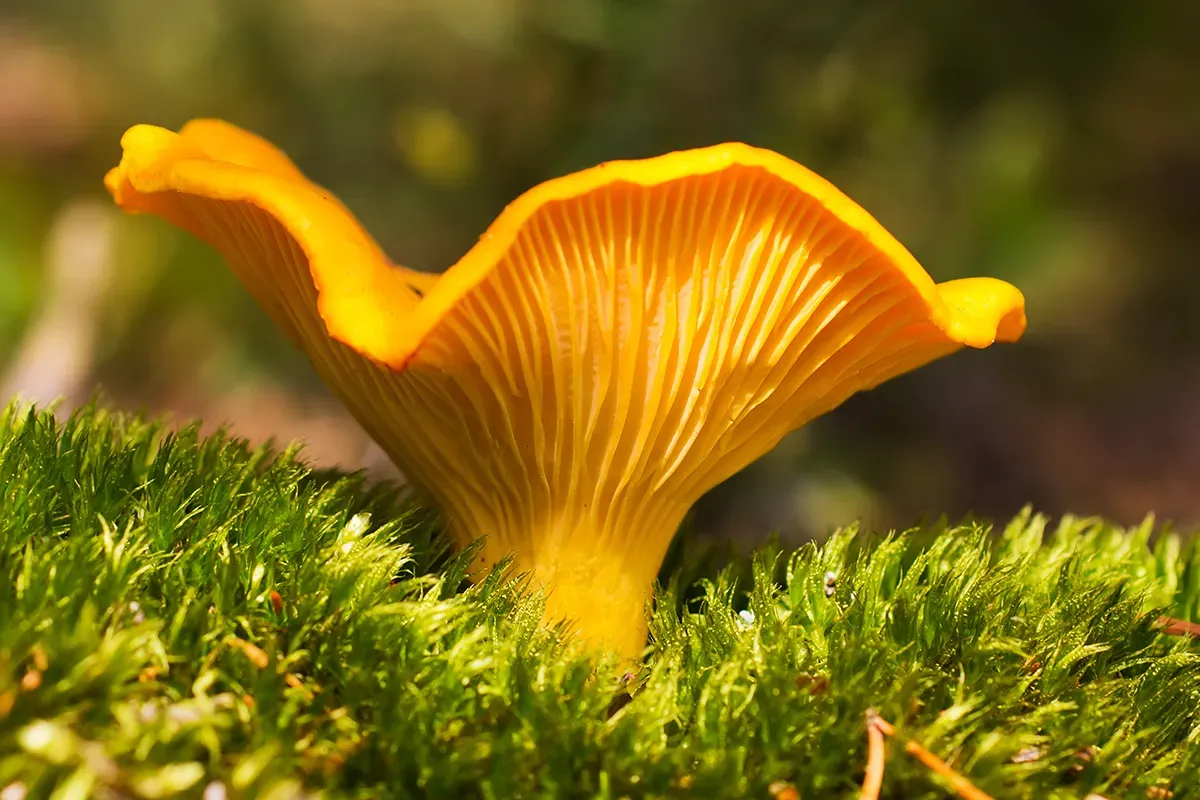
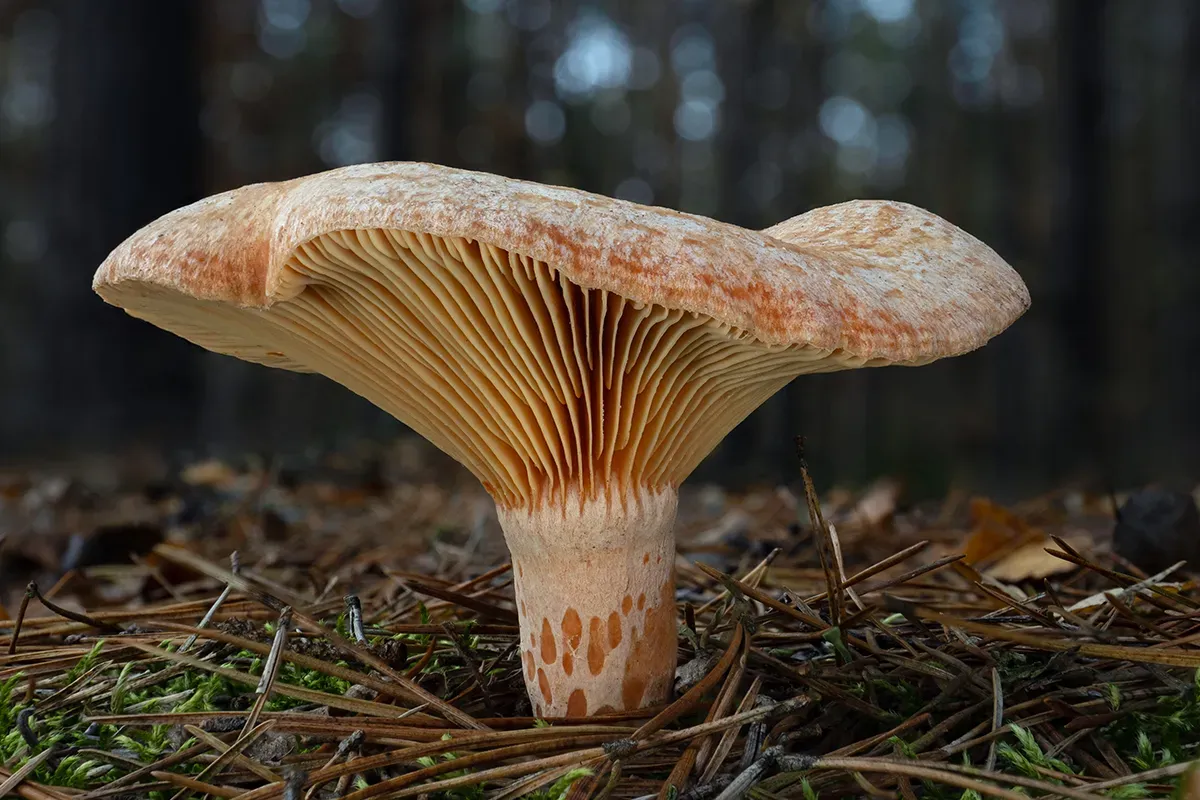
Now look more closely at the mushrooms introduced earlier. Pacific golden chanterelles grow with conifers such as Douglas-fir, western hemlock, and Sitka spruce. White chanterelles are cream to ivory. A lobster mushroom’s red-orange surface comes from a fungus that transforms its host, while boletes have pores and hedgehog mushrooms have toothlike spines beneath their caps.
Chanterelles are popular teaching mushrooms because several characteristics work together. Pacific golden chanterelles generally have solid flesh and blunt, branching ridges that run down the stalk. Those folds differ from the thin true gills of a false chanterelle, but that distinction alone cannot establish edibility.
Pacific Golden Chanterelle
Milky Cap
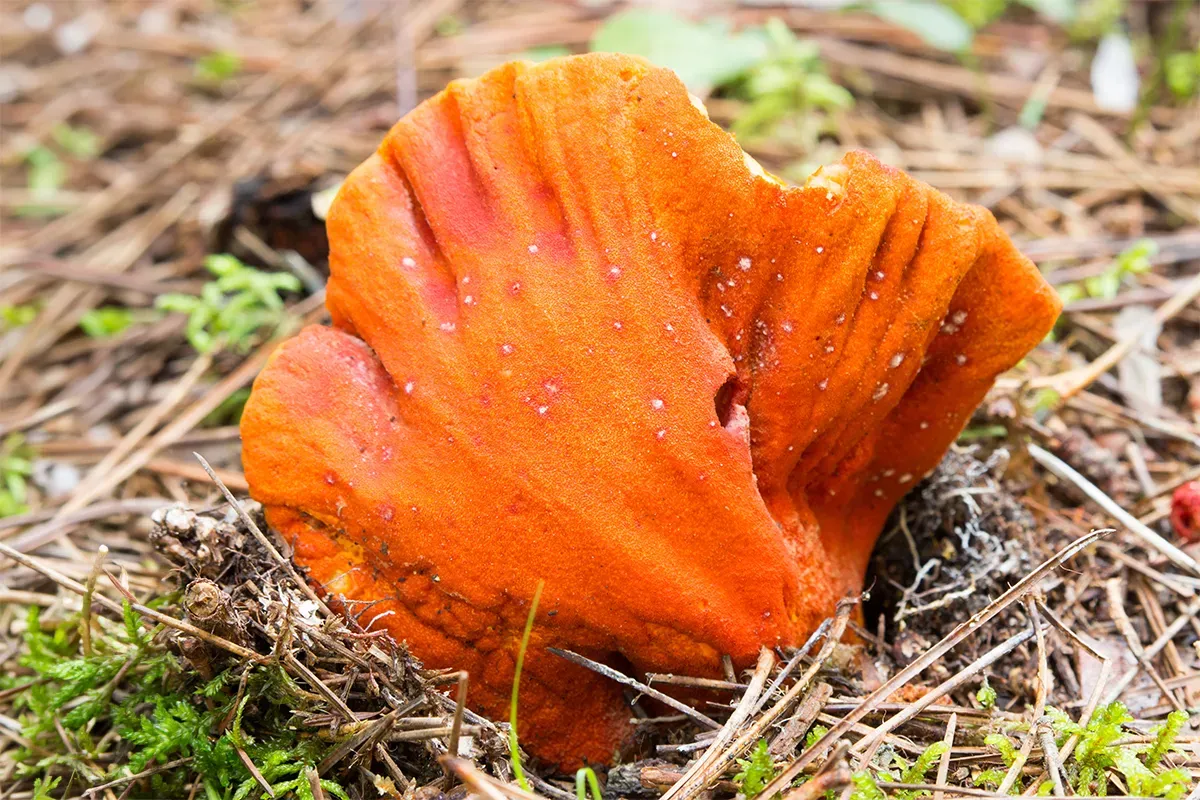
Lobster
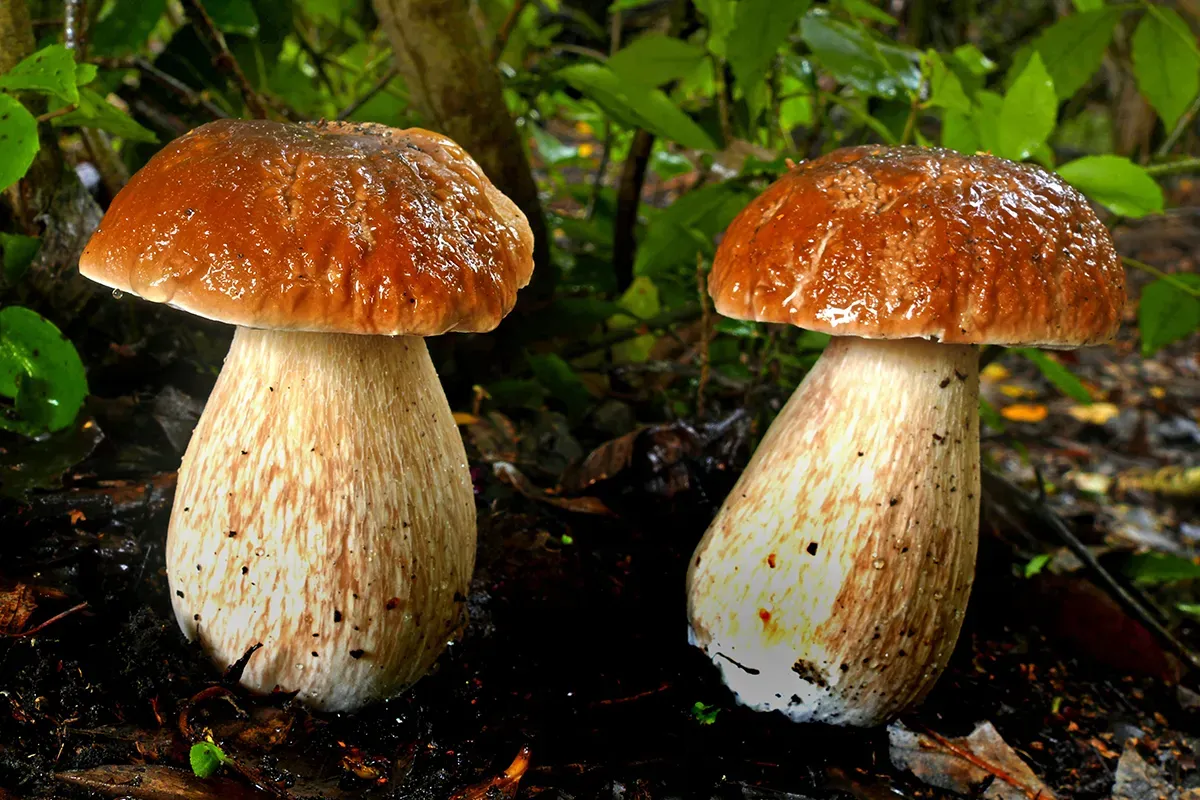
King Boletes
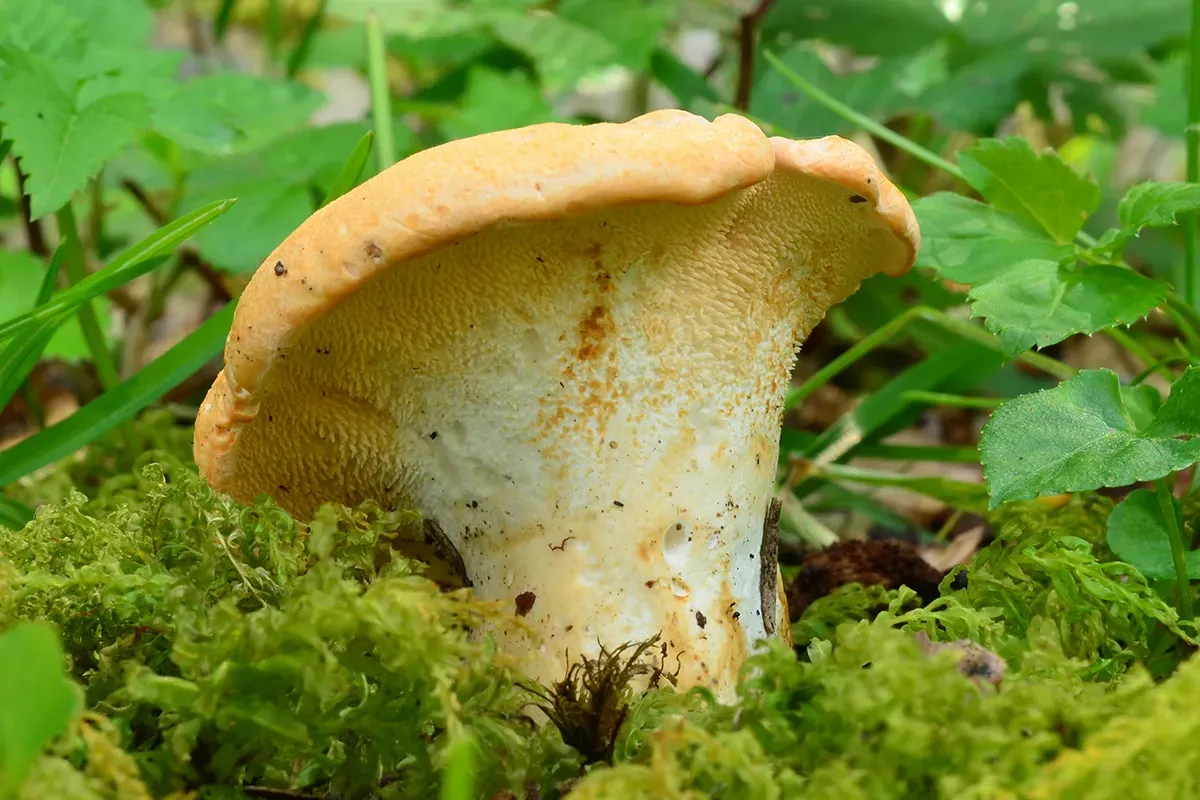
Hedghog
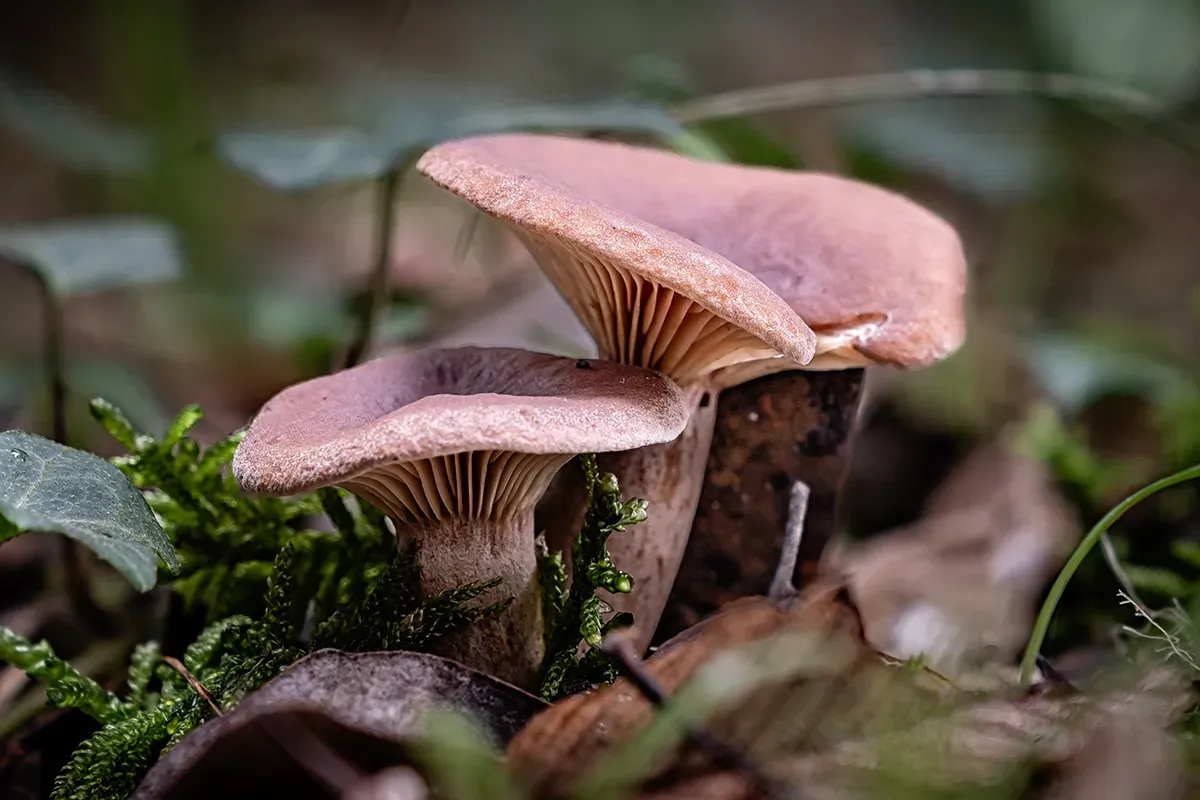
Candy Cap
Matsutake
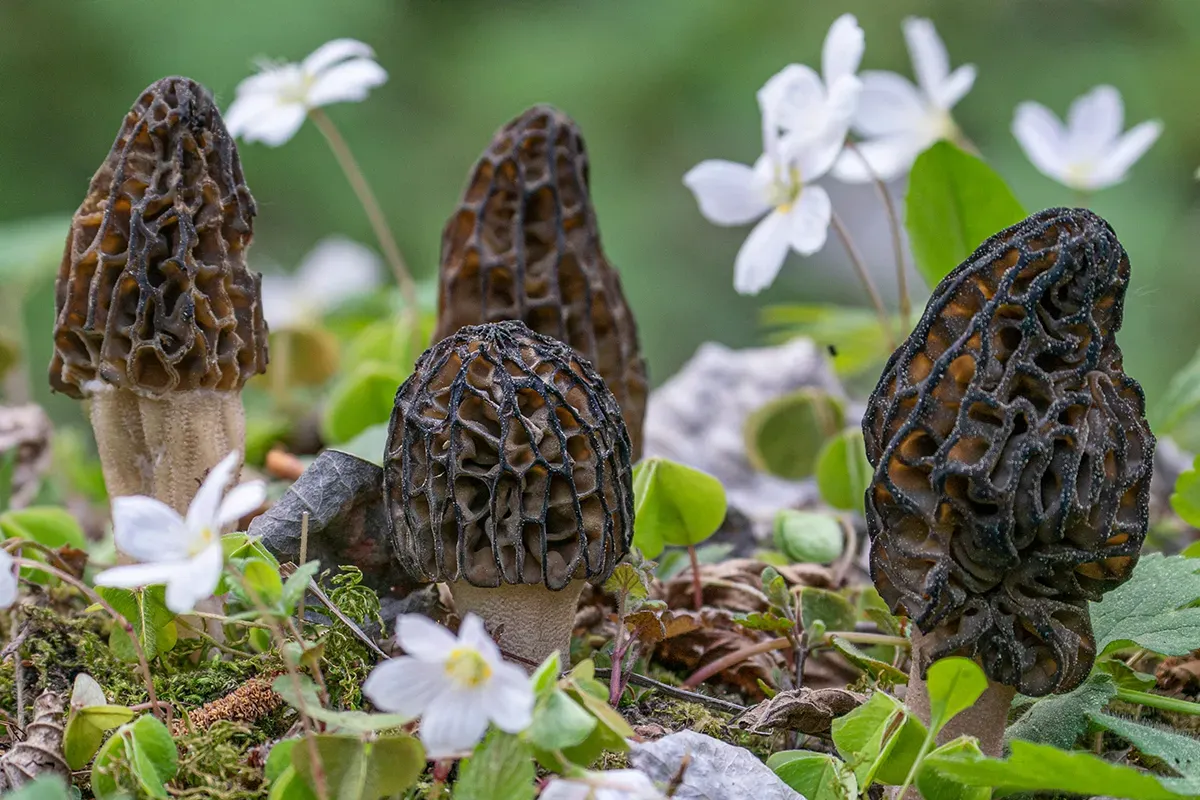
Black Morel
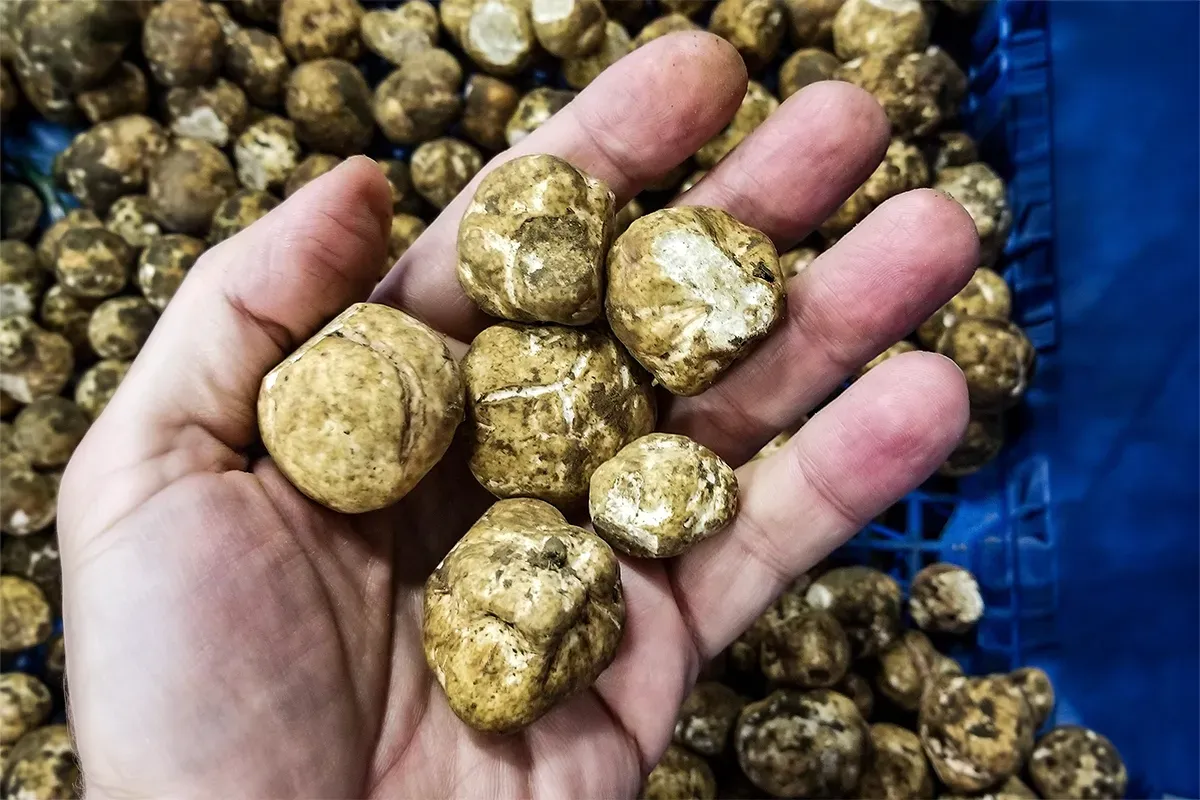
Oregon White Truffle
Some comparisons carry higher stakes. The death cap, Amanita phalloides, has caused severe Oregon poisonings. It is associated more strongly with landscaped areas and introduced broadleaf trees than with a typical coastal conifer forest, so it should not be portrayed as abundant around Lincoln City. Western matsutake also deserves expert attention because Amanita smithiana has been mistaken for it in the Pacific Northwest and can cause delayed kidney failure.
With a knowledgeable guide, these examples become memorable lessons in structure and habitat. Once an edible specimen has been confirmed by an expert, the culinary side adds another layer, from chanterelles at the center of a meal to dried lobster mushroom used as a savory ingredient.
Poisonous Mushrooms
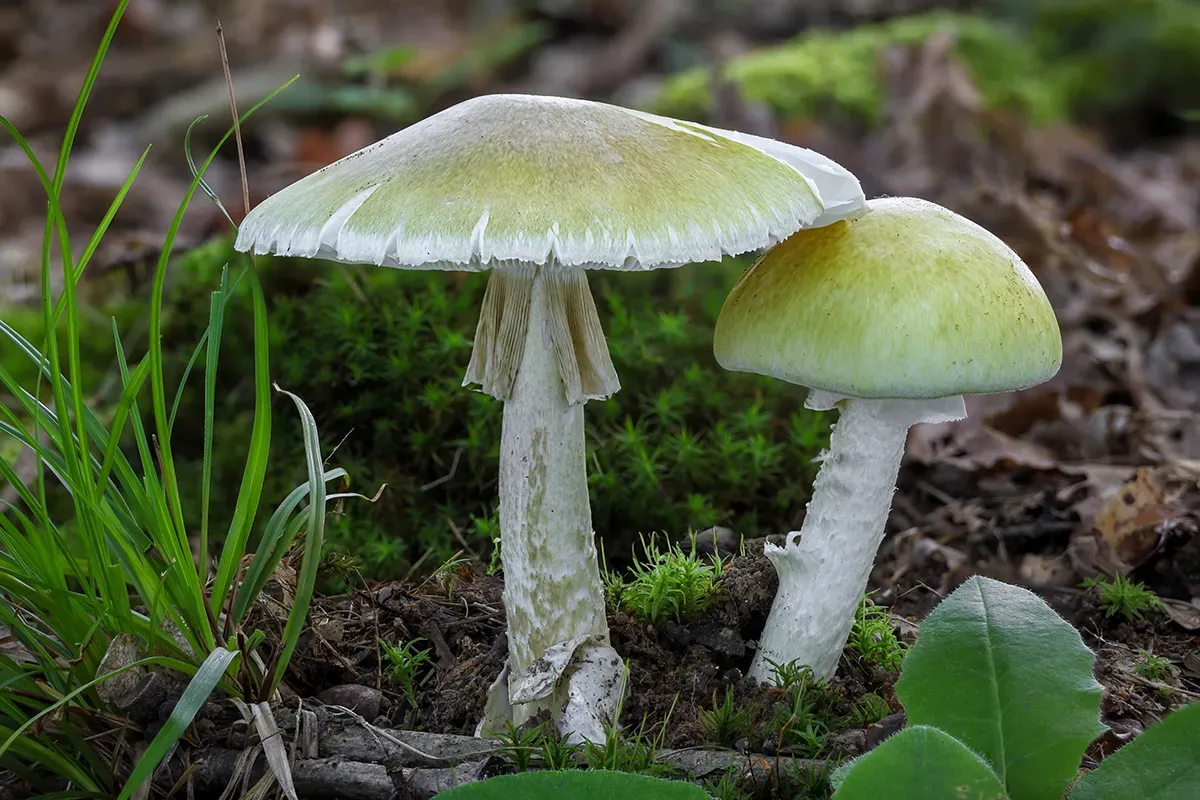
Death Cap
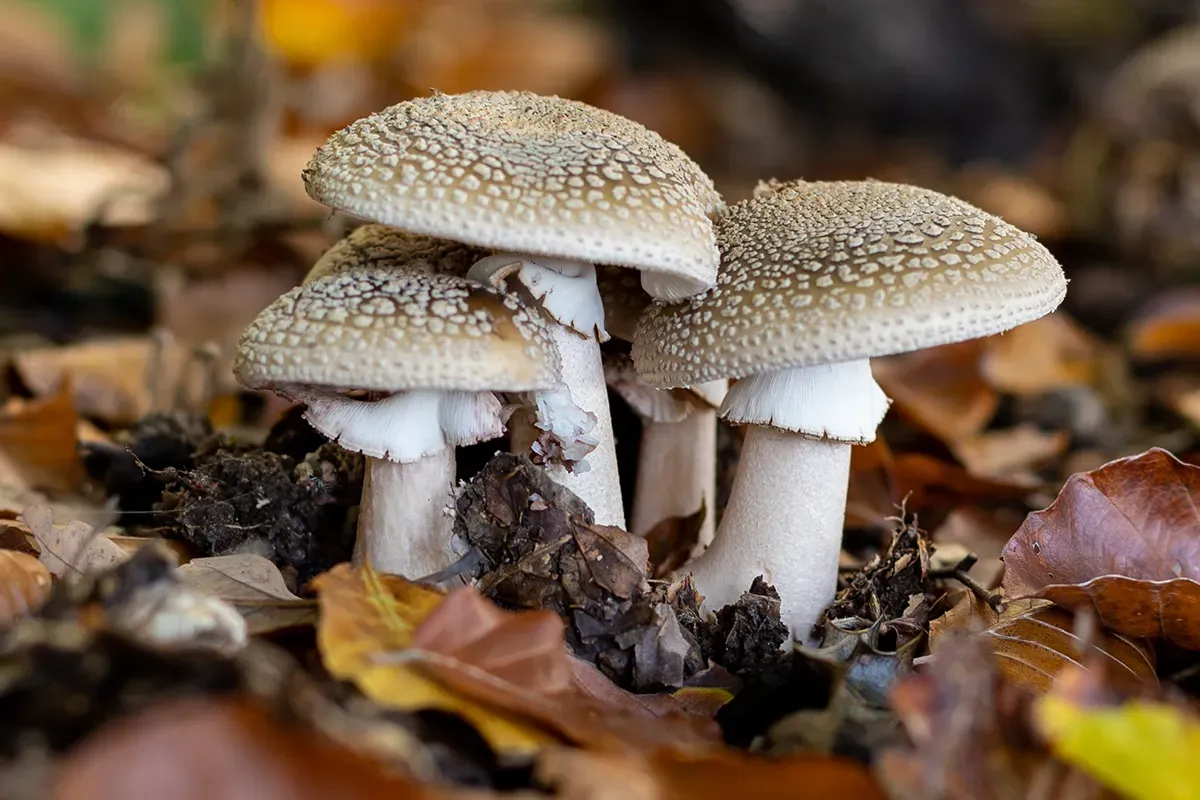
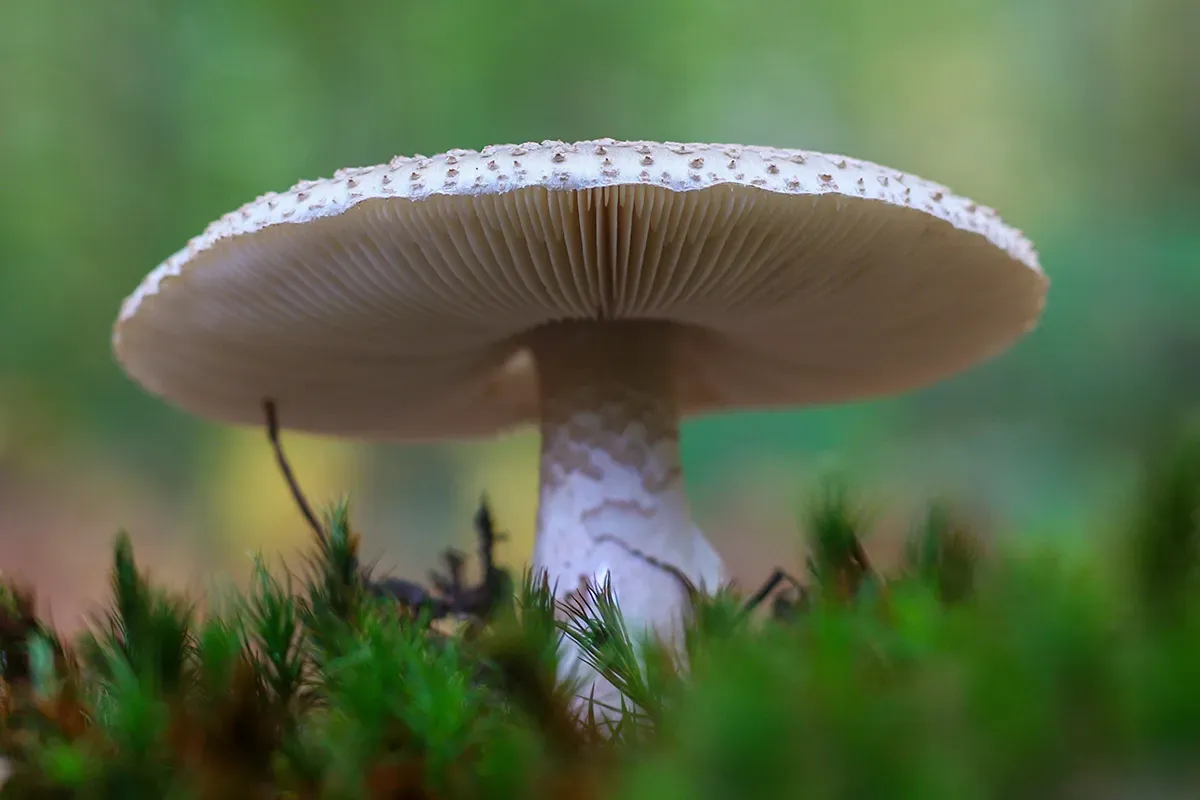
Panther Cap
Smith’s Amanita
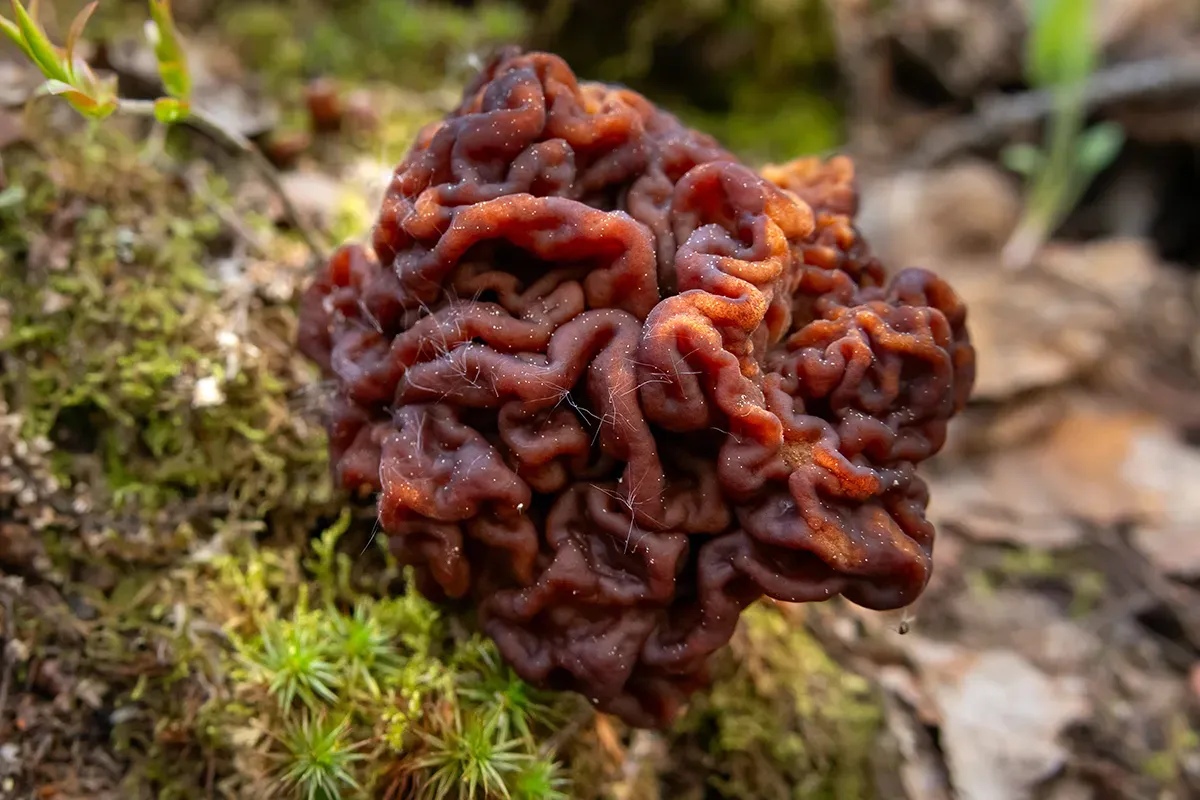
False Morels
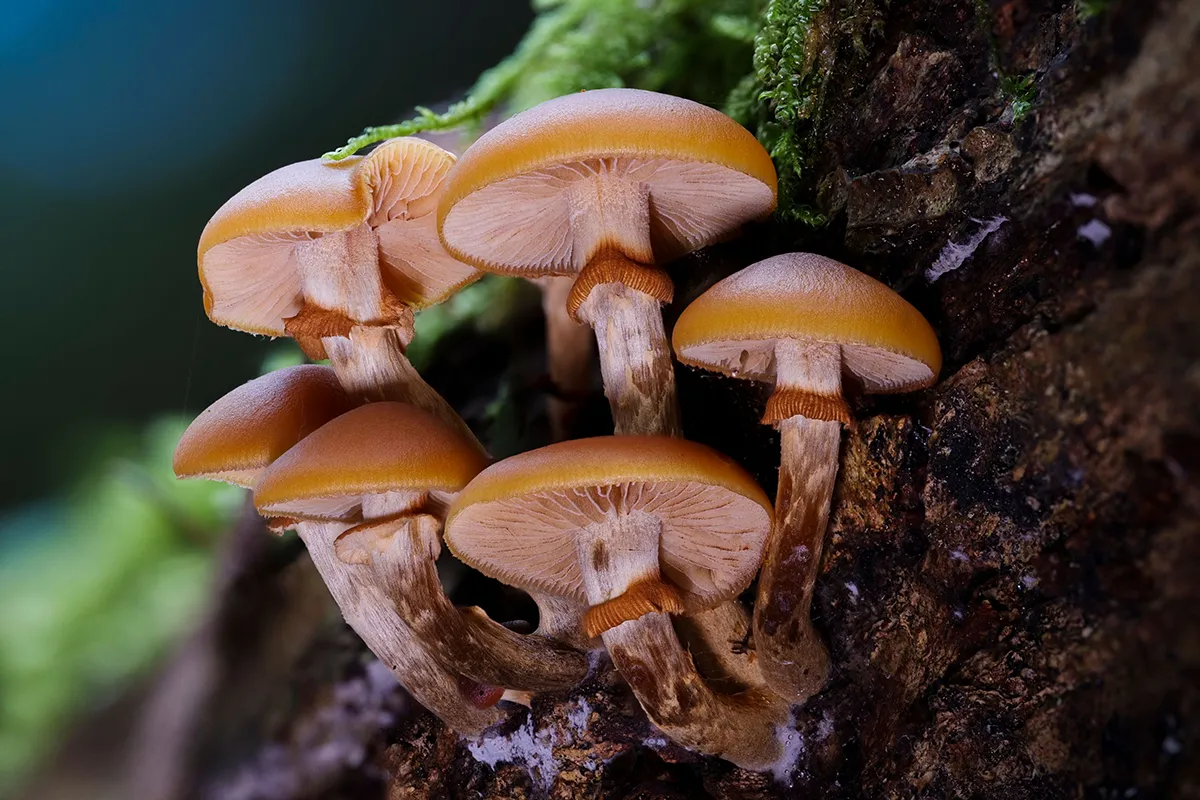
Funeral Bell Mushroom
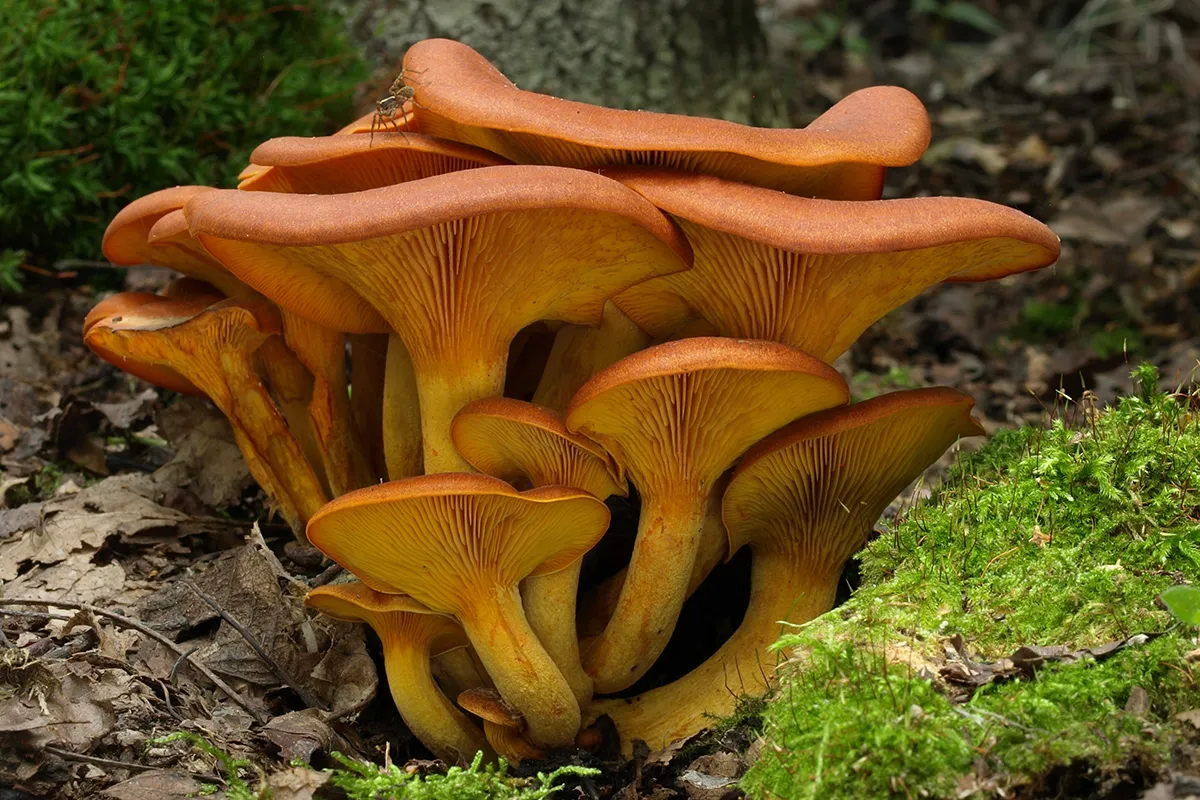
Jack-O-Lantern
where to wander.
Explore Forest Habitats Near Lincoln City
The most useful location list offers different kinds of learning. Some destinations introduce coastal habitat. Others may allow limited personal gathering when current maps and rules permit it.
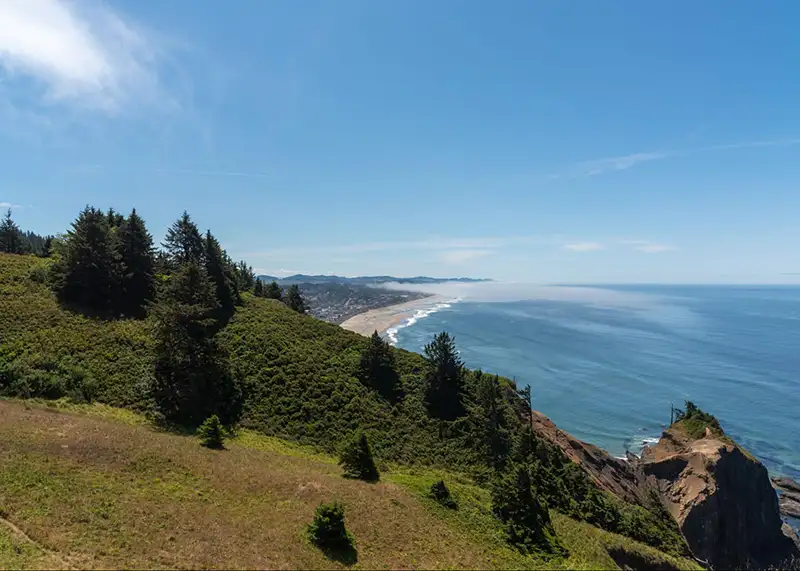
The Knoll
This Lincoln City open space offers a forested hike and a gentle introduction to coastal habitat. Treat it as an observation and photography location unless the City of Lincoln City confirms that gathering is permitted in the exact area. Stay on the official route because the informal continuation toward God’s Thumb includes private-property concerns.
Siuslaw National Forest
Designated forestland can provide a genuine personal-use mushroom opportunity when the current Forest Service map allows it. Protected areas and land outside the designated map remain closed. Even when gathering is permitted, a photography and habitat walk is a rewarding way to become familiar with the forest first.
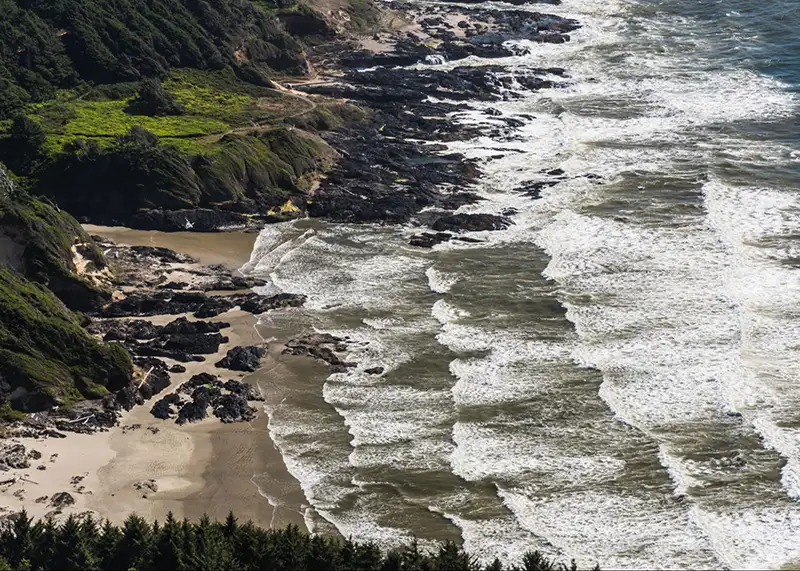
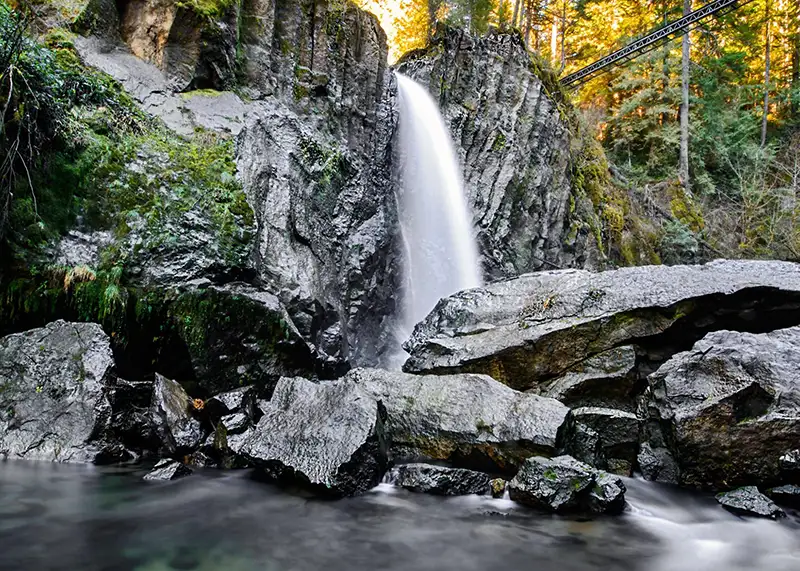
Drift Creek Falls
A suspension bridge, waterfall, and coastal forest make this a memorable habitat walk. The trail and developed recreation site have not been verified as harvesting locations, so enjoy any mushrooms as part of the scenery unless the Siuslaw National Forest confirms collection for the exact area.
Cascade Head
This headland shows how forest, meadow, estuary, and ocean meet. It is an observation setting rather than a harvest destination. Plant collection is prohibited on The Nature Conservancy preserve, and harvesting is restricted within the scenic research area.
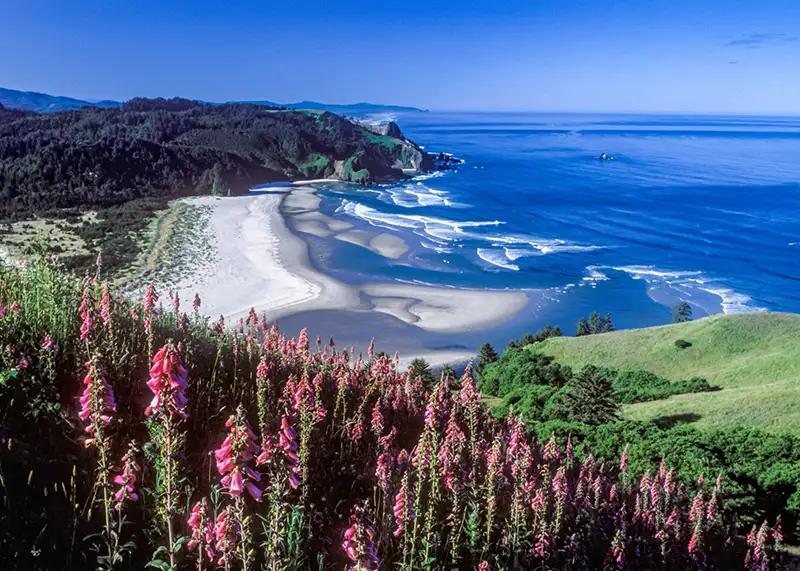
another palette.
Follow the Berry Season
Berries widen the foraging calendar and give beginners another way to study the landscape.
Salmonberries grow in moist coastal woodland and riparian habitat. Their orange-to-red fruit resembles a raspberry and often ripens earlier than peak blackberry season. Finding that bright color beside a shaded trail can feel like an early signal that summer is approaching.
Oregon’s blackberry season unfolds in stages. Native trailing blackberries are often among the first to ripen. Himalayan blackberries follow and are widespread, while evergreen blackberries tend to ripen later. August often falls within the fruiting season, although timing varies by species, location, and weather.
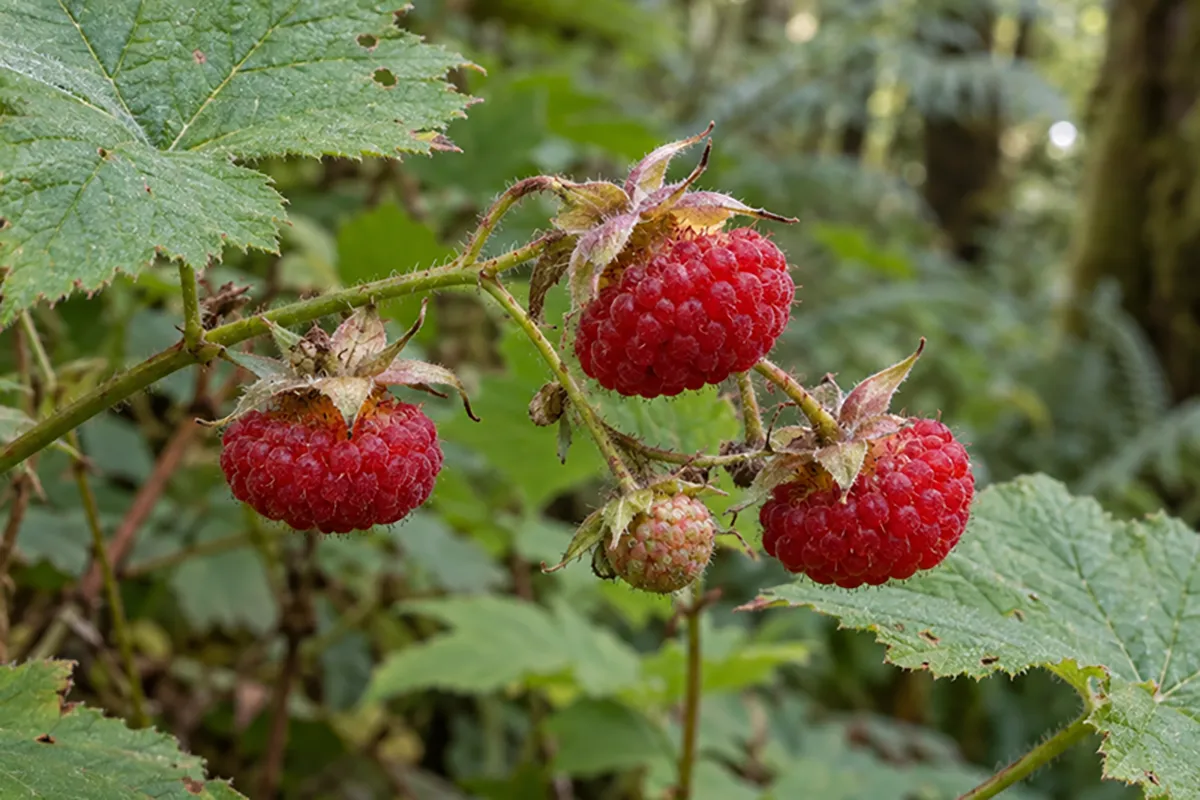
Thimbleberry
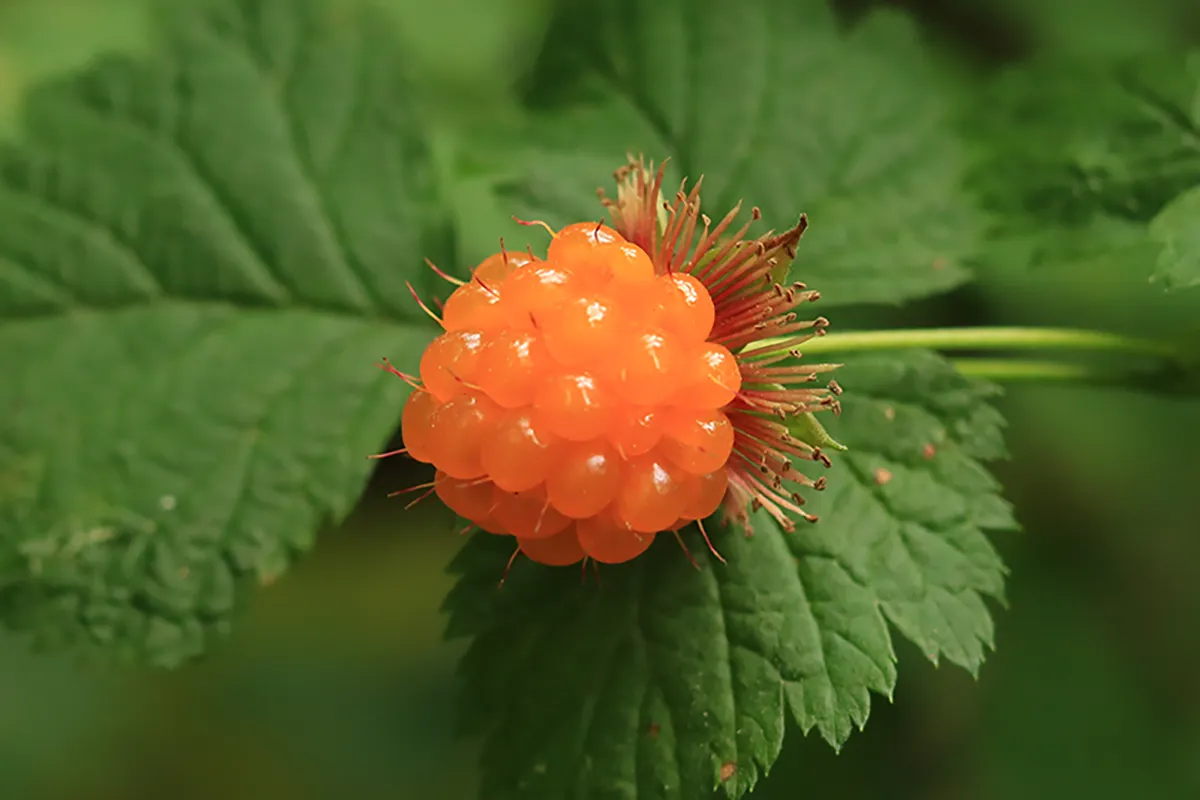
Salmonberry
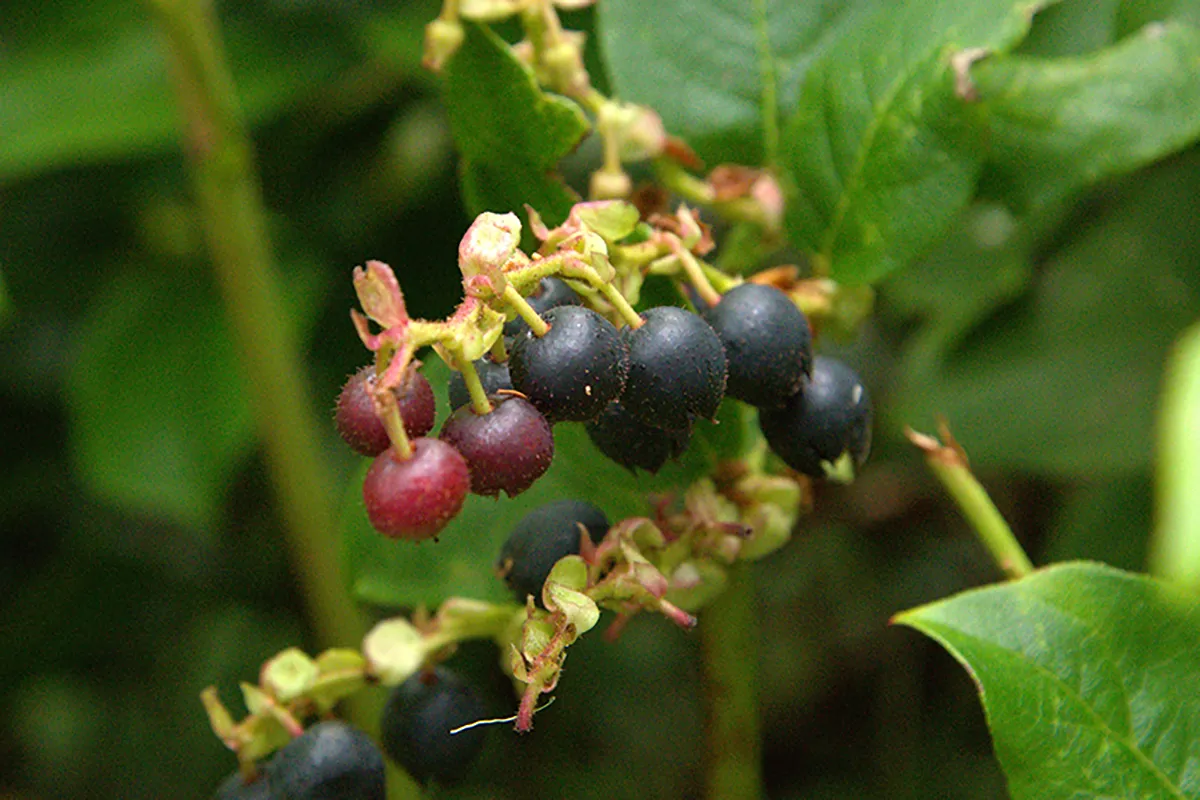
Salal Berry
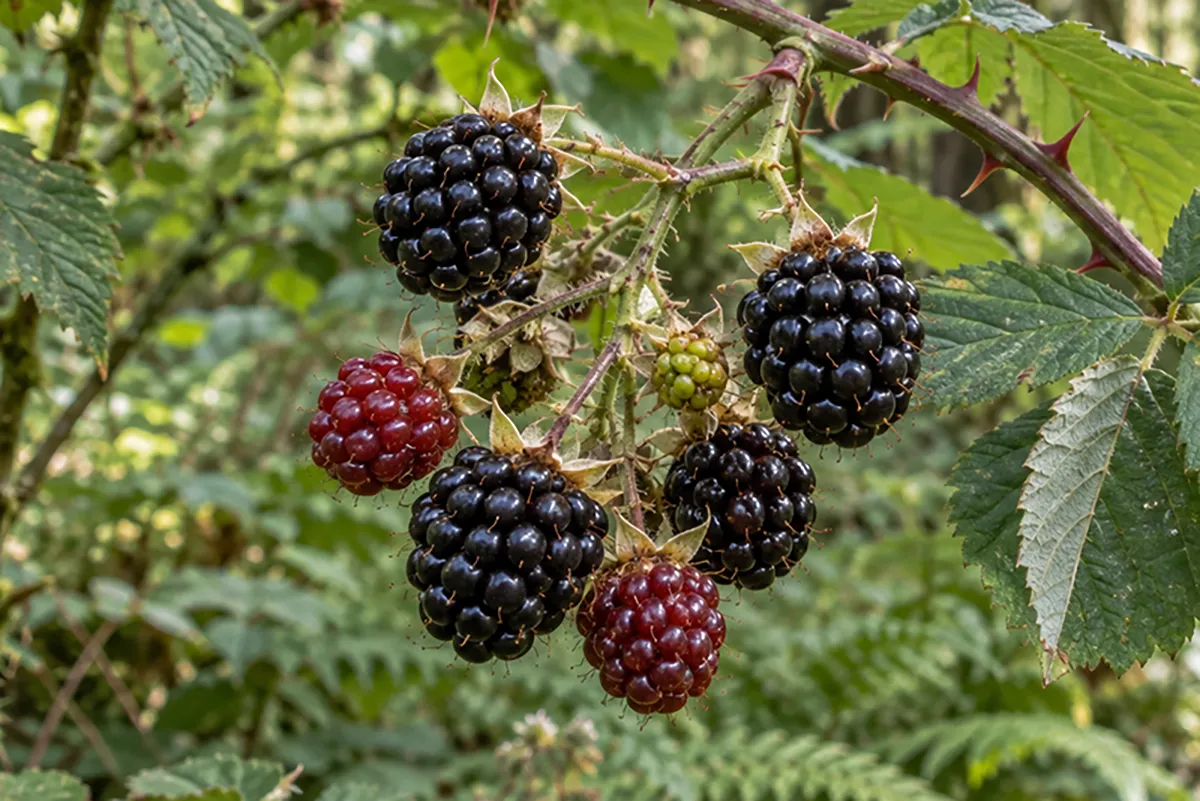
Himalayan Blackberry
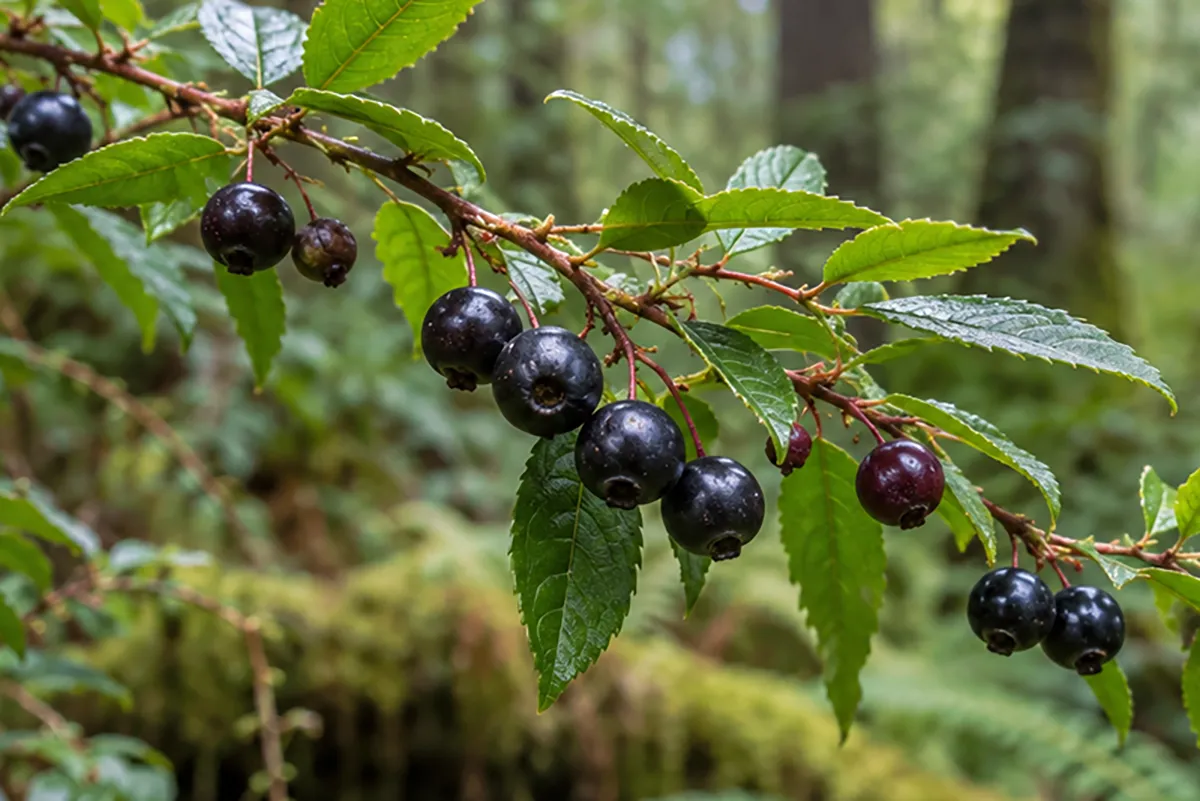
Evergreen Huckleberry
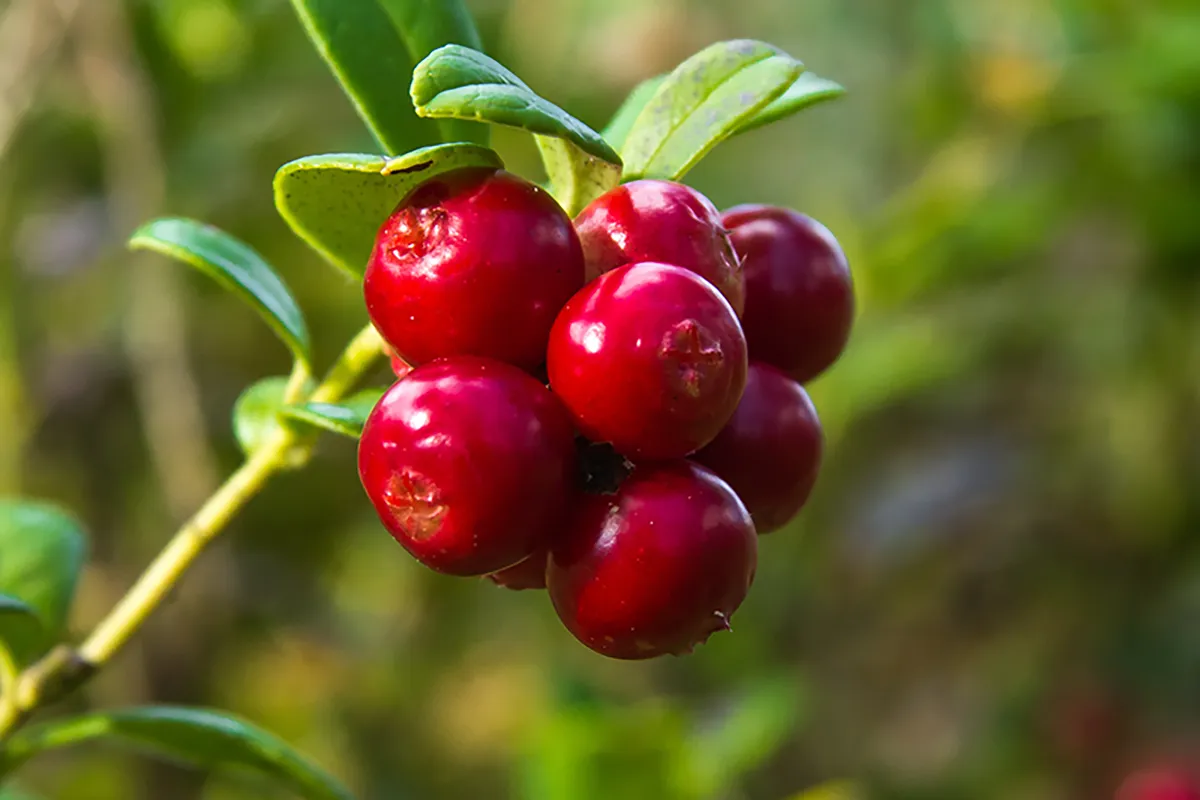
Red Huckleberry
Photograph the leaves, canes, thorns, flowers, and fruit rather than focusing only on the berry. Those details make the photo journal more useful and turn berry season into another opportunity to recognize patterns. When gathering, choose a location where it is permitted and avoid roadside patches that may have been sprayed with herbicide.
After photographing the entire plant, use Pl@ntNet or iNaturalist to generate a possible identification. Then compare the proposed name with OregonFlora, Oregon State University’s Oregon-specific plant resource. OregonFlora can help confirm whether a species occurs in the region and how native plants differ from introduced relatives. Evergreen huckleberry, red huckleberry, and salal provide additional coastal discoveries. Red elderberry is better treated as an observation subject because OSU Extension advises against eating its fruit.
when the water pulls back.
Turn Low Tide Into an Ocean-Foraging Classroom
The learning experience changes again when forest paths give way to sand, rock, and tidewater. Oregon’s ocean shore is public, including the shoreline below The Inn At Spanish Head. Public access does not authorize unrestricted harvesting, and adjacent uplands can still be privately owned. The beach and tidepools associated with the hotel shoreline can be reached through the public SW 35th Street beach access or by way of Taft Beach.
At low tide, the public tidepools below The Inn At Spanish Head may reveal mussels, anemones, crabs, and other animals adapted to waves, exposure, and changing water levels. Watch how life changes from the upper rocks to pools that remain submerged longer. Photograph patterns and behavior without moving animals or rearranging habitat.
This shoreline is best presented as an observation and photography experience rather than a collection site. Arrive while the tide is going out, keep an eye on the ocean, and leave before rising water threatens the return route.
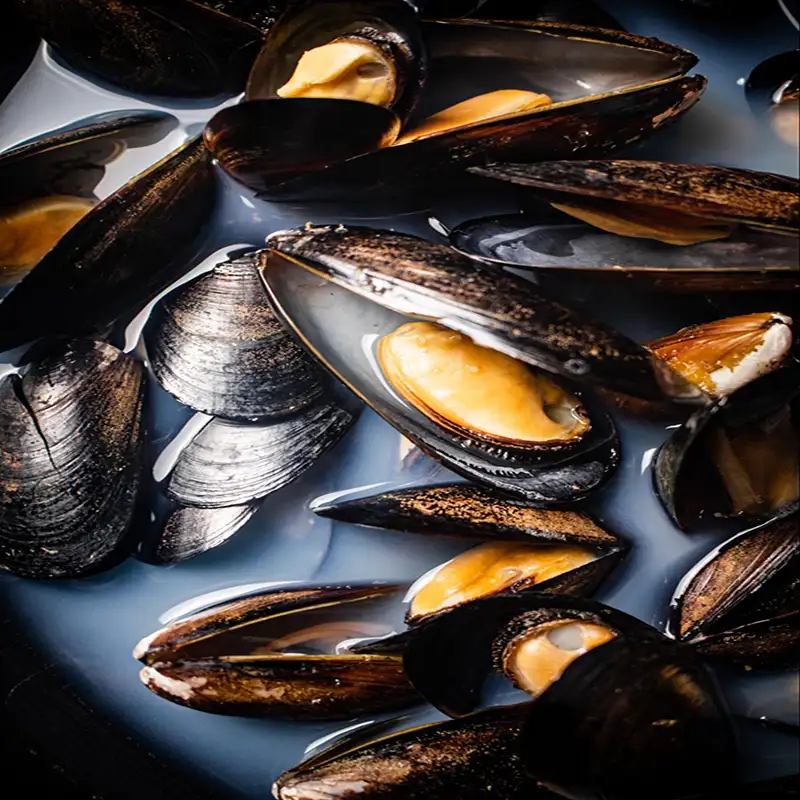
Mussles
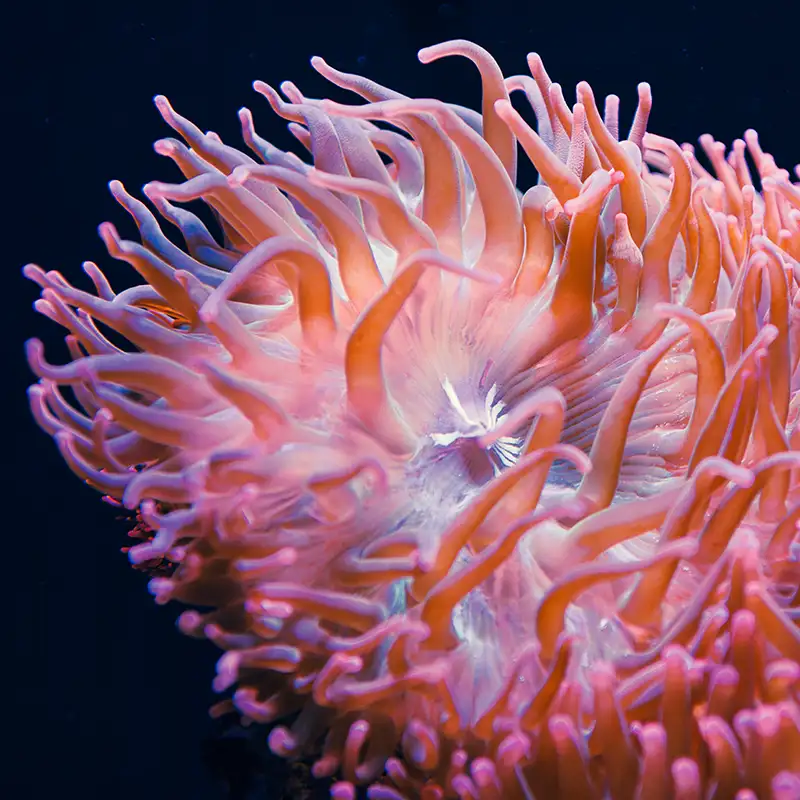
Anemonies
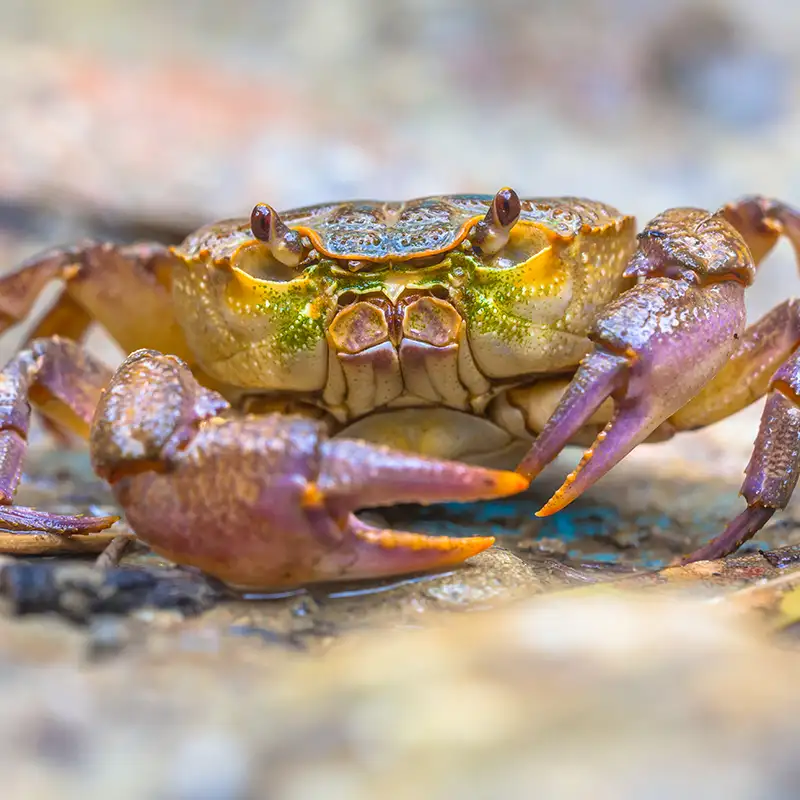
Crabs
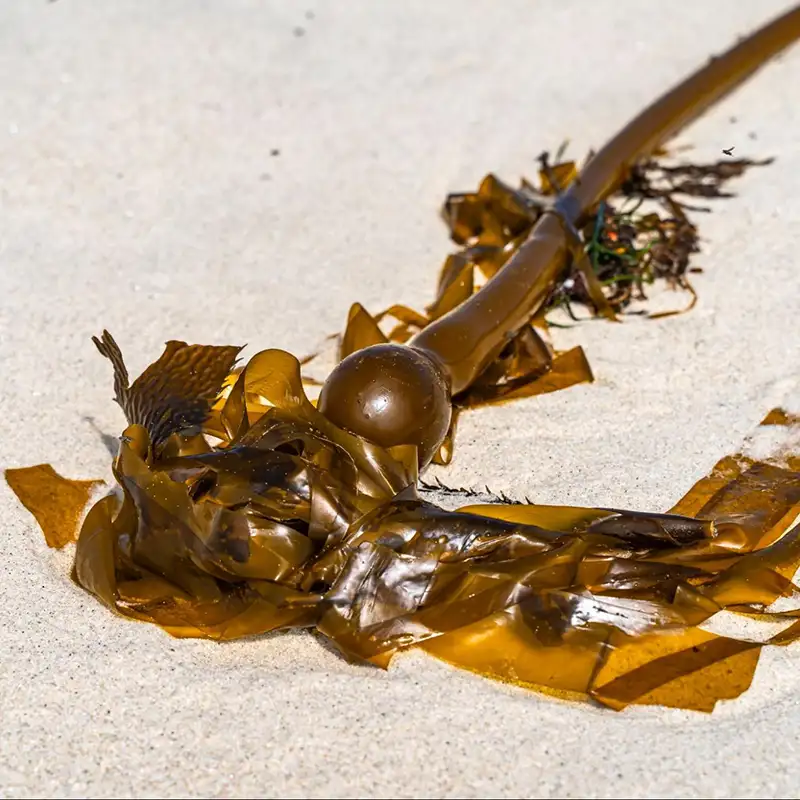
Seaweed
Use our NOAA tide prediction chart to understand the tide cycle and the National Weather Service to check surf hazards. OregonTidepools.org and Oregon Sea Grant’s Found at the Beach resources can help name habitats and organisms without moving them. NW 15th Street provides another documented tidepool location and has hosted Lincoln City’s expert-led Tide Pool Exploriences during the spring and summer months.
Siletz Bay, at the south end of Lincoln City, adds a different learning opportunity. The Oregon Department of Fish and Wildlife publishes Siletz Bay maps and guidance showing areas associated with purple varnish and softshell clams. Even without digging, visitors can study clam shows, substrate, shell shape, and the parts of the estuary favored by different species. A guided or experienced companion can make a first clamming trip much more engaging.
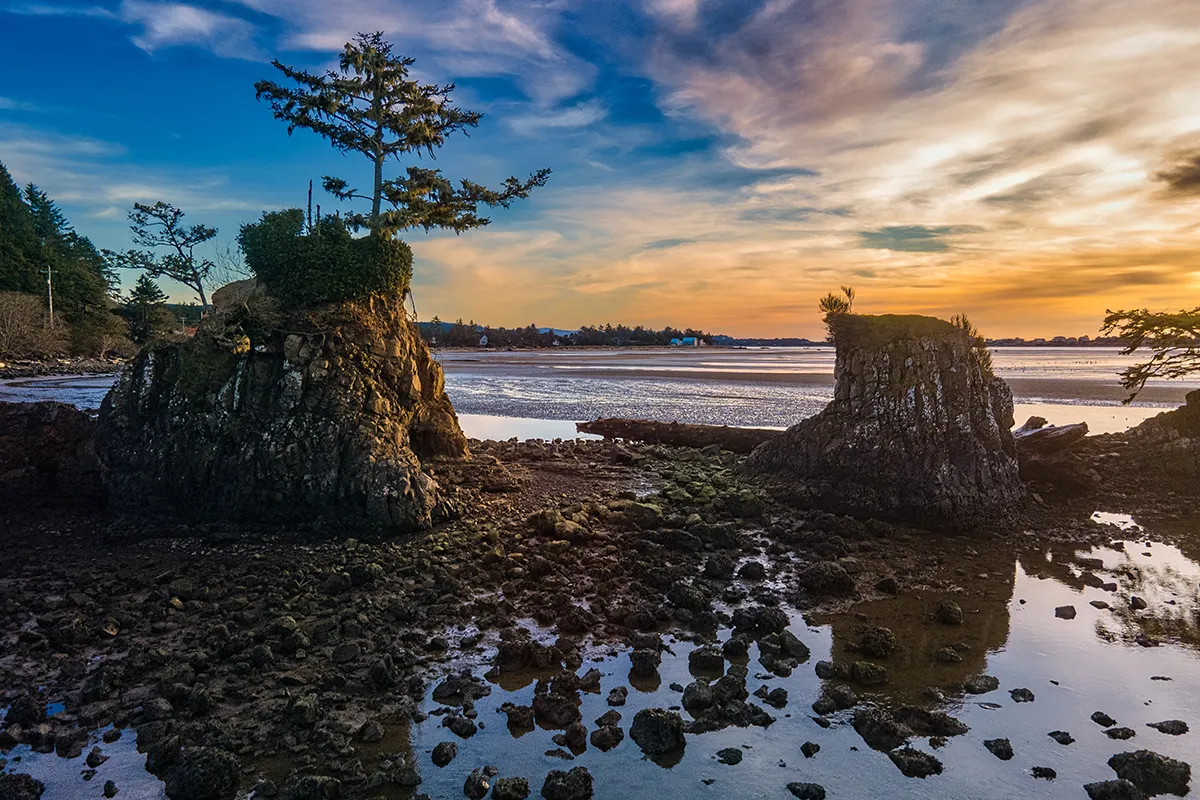
The Bay
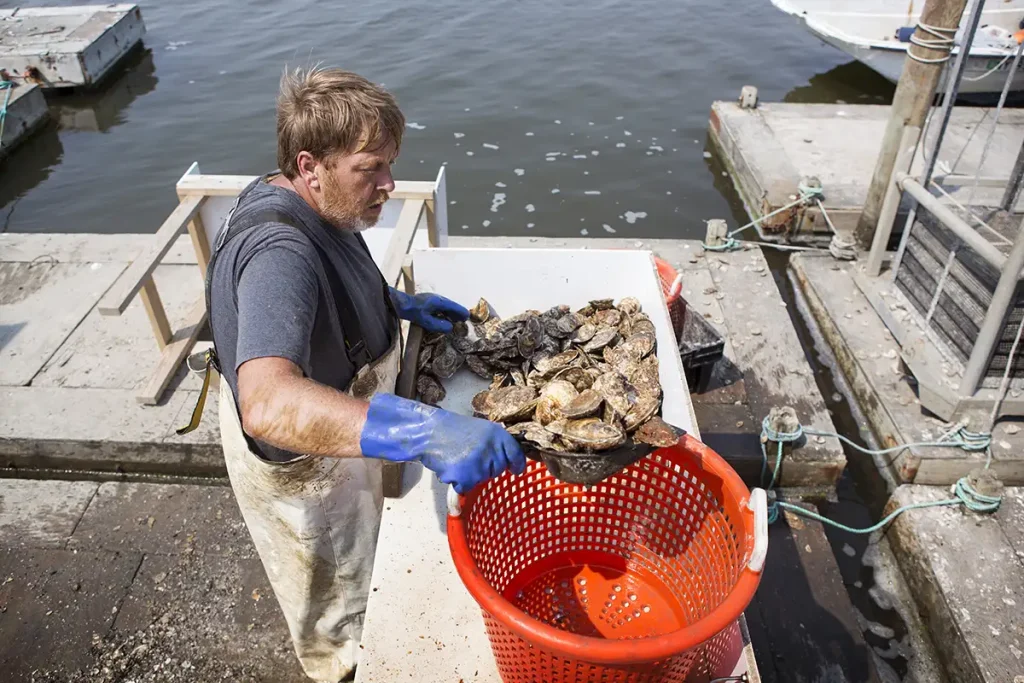
the dig
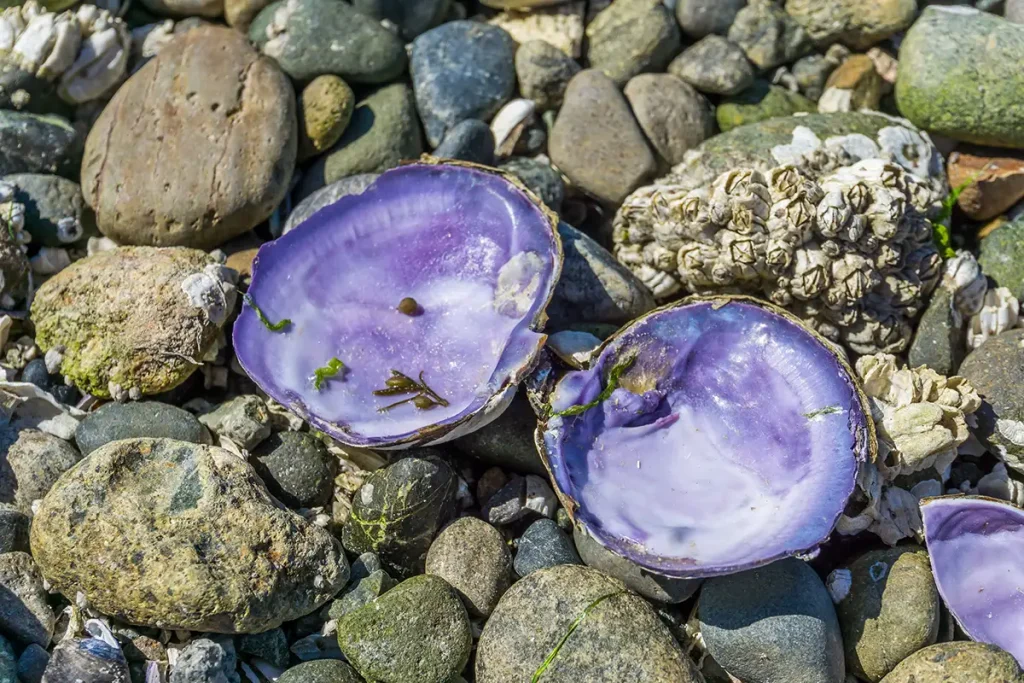
Purple varnish vs. soft shell
Seaweed
Seaweed adds another layer. Living seaweed may be gathered under the statewide ocean-shore rule during a limited spring window, but it can be observed throughout the year where site rules allow access. Photograph color, branching pattern, texture, and attachment. Learning what a holdfast does makes later harvest instructions much easier to understand.
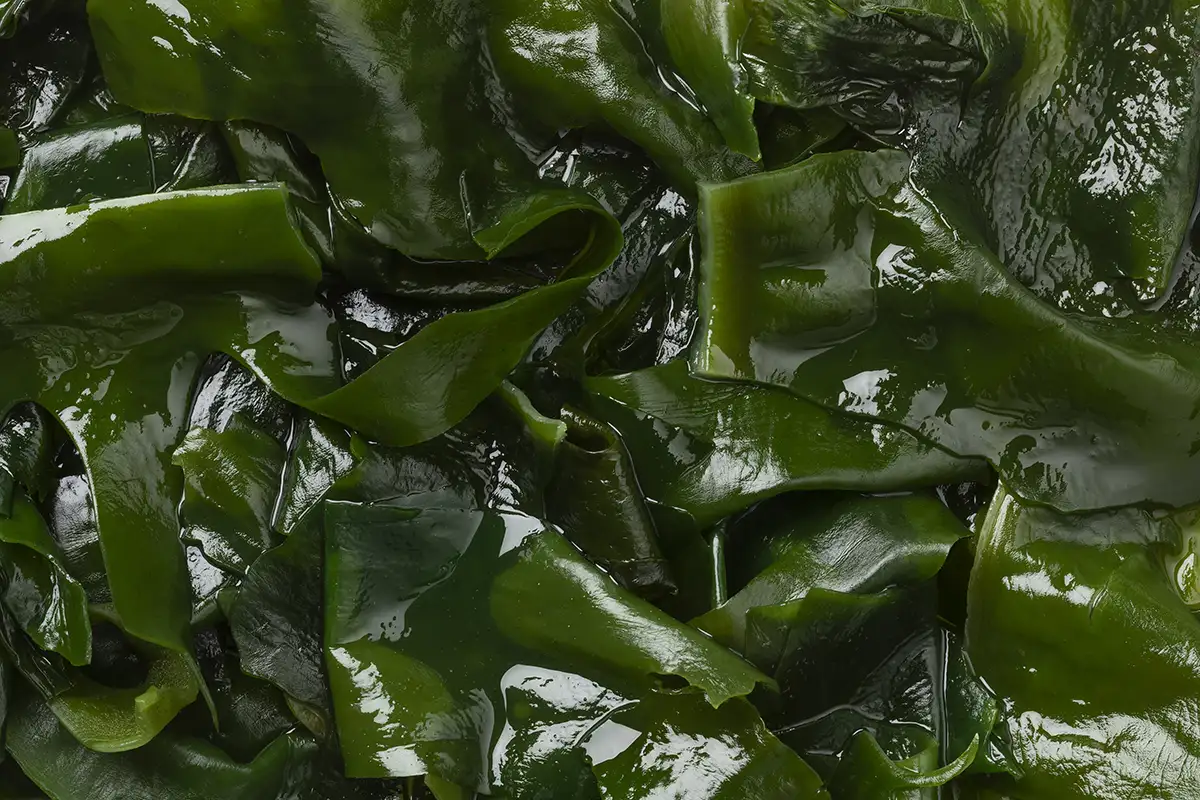
Sea lettuce
bull kelp
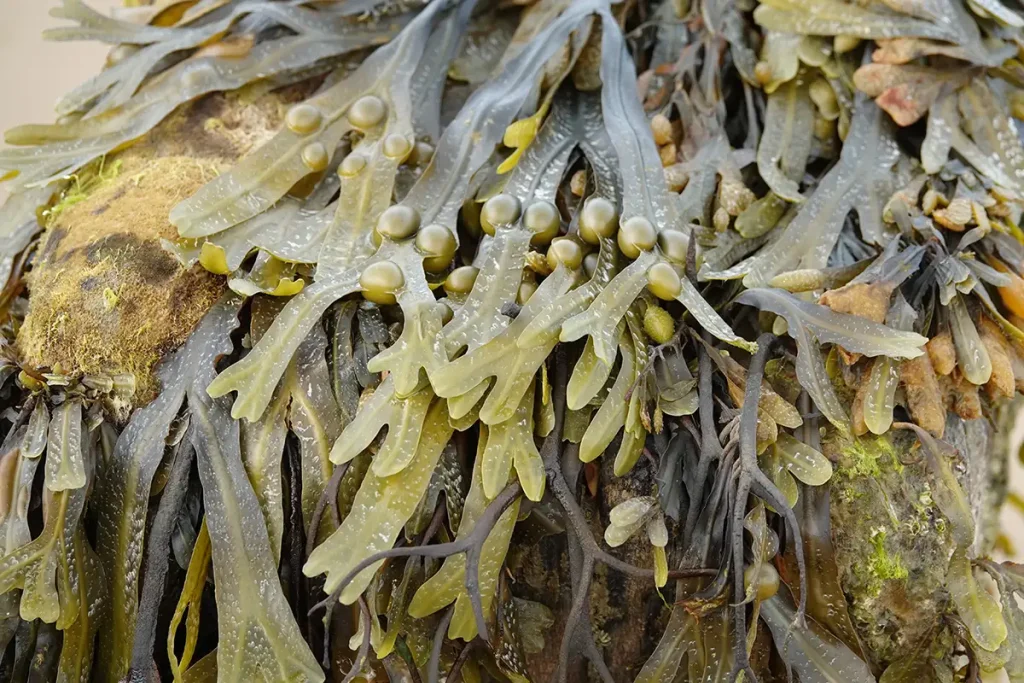
the holdfast
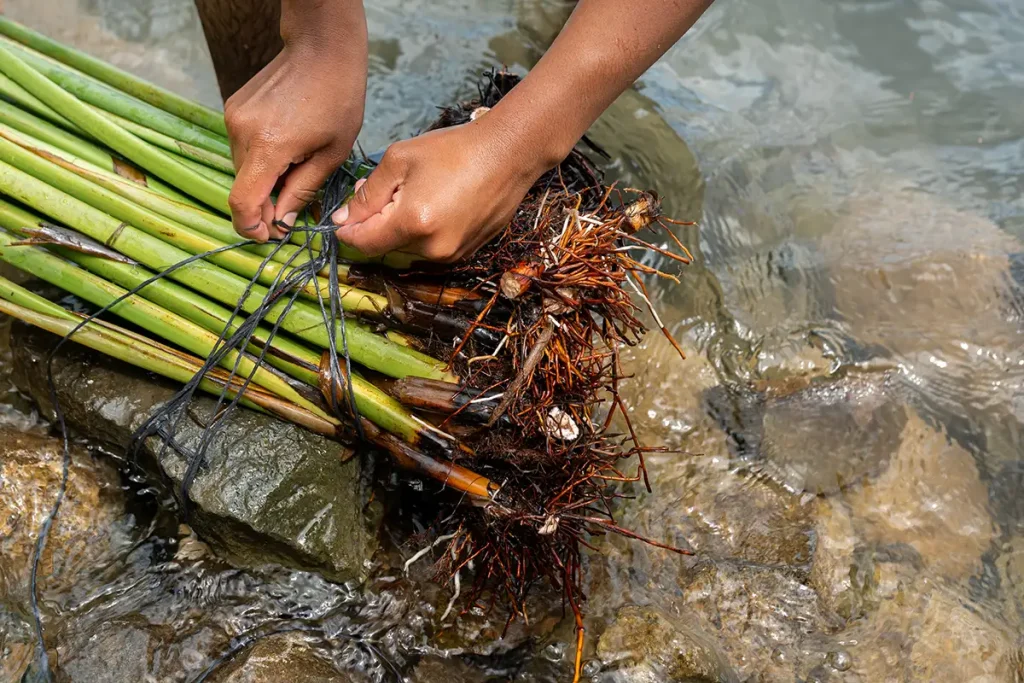
cut, leave the holdfast
the next chapter.
When You Are Ready to Gather
After several observation trips, a class, or an outing with an experienced person, gathering can become the next chapter. The preparation depends on what you plan to collect
For mushrooms, confirm the actual specimen with an experienced mycologist or qualified local expert. An app, article photograph, or single physical characteristic cannot establish edibility. Cooking does not make a poisonous mushroom safe. For suspected exposure, call the Oregon Poison Center at 1-800-222-1222.
Confirm the land manager and exact boundary before collecting mushrooms or berries. Public trail access does not automatically authorize gathering on adjacent upland property. Avoid raking or repeated trampling. Mushroom and berry rules are not interchangeable. Check the applicable Siuslaw ranger district before gathering berries and do not assume that a small personal quantity is automatically permit-free.
Current Siuslaw National Forest rules permit up to one gallon per person per day of listed mushrooms other than matsutake without a permit on designated land. Matsutake has a separate six-per-person daily rule, and each must be cut in half lengthwise before leaving the site. Check the current permit page and map before every trip.
Shellfish and Seaweed
ODFW
Oregon Department of Agriculture
Local conditions
a new way of seeing.
Return With a New Way of Seeing the Coast
A foraging-inspired trip can be rewarding long before anything reaches a basket or dinner plate. Learning to distinguish chanterelle ridges from true gills, recognizing a salmonberry beside a wet trail, or understanding how mussels hold their place in the intertidal zone turns the landscape into something more detailed and alive.
Let curiosity lead. Build a photo journal, compare apps, learn from experienced people, and return in another season to see what has changed. Lincoln City offers the forest, bay, and public shoreline for the journey, with The Inn At Spanish Head providing a natural place to begin and end the day.
important safety notice
Sources and Further Reading
- Oregon Health Authority: Mushroom Safety
- Oregon Poison Center: Plants and Mushrooms
- Oregon Mycological Society
- Oregon Mycological Society: MycoMatch Mobile App
- MycoMatch
- iNaturalist
- Seek by iNaturalist
- Lincoln County Mycological Society
- Cascade Mycological Society
- OregonFlora
- Pl@ntNet
- OSU Extension
- Clinical Toxicology study of mushroom-identification apps
- USDA Forest Service Pacific Northwest chanterelle handbook
- Siuslaw National Forest mushroom permits
- Lincoln City: The Knoll
- The Nature Conservancy: Cascade Head
- Explore Lincoln City: Tidepools
- Explore Lincoln City: Tide Pool Explorience
- OregonTidepools.org
- Oregon Sea Grant: Found at the Beach
- ODFW Marine Zone regulations
- Oregon Department of Agriculture shellfish closures
- ODFW Siletz Bay clamming guide
- Oregon ocean-shore seaweed rule
- Oregon marine reserve maps and rules
- NOAA tide predictions
- National Weather Service
- Siuslaw National Forest maps for mobile devices
make it your home base.
Stay at The Inn at Spanish Head
let the wind carry you. let the coast inspire you.